Body Systems
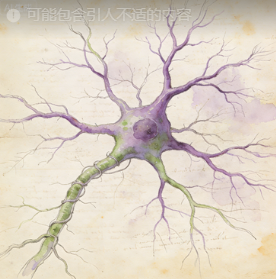
Nervous system
The nervous system is the body's master control and communication network. It is divided into the central nervous system (CNS: brain and spinal cord) and the peripheral nervous system (PNS: nerves and ganglia). Using electrical and chemical signals, it integrates sensory input, processes information, and coordinates voluntary and involuntary responses. It enables thought, memory, emotion, perception, and regulates all bodily functions through motor output to muscles and glands.
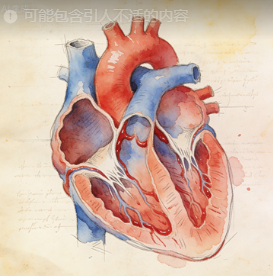
Cardiovascular system
The cardiovascular system, also known as the circulatory system, is responsible for transporting blood throughout the body. Its core components are the heart, blood, and blood vessels (arteries, veins, capillaries). The system delivers oxygen and nutrients to tissues, removes carbon dioxide and metabolic wastes, transports hormones, and helps regulate body temperature and pH. It is vital for cellular respiration, immunity, and overall homeostasis.
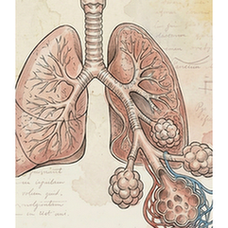
Respiratory system
The respiratory system facilitates gas exchange between the body and the environment. Its primary organs are the lungs and the airways (nose, pharynx, larynx, trachea, bronchi). The system's core function is to supply oxygen to the bloodstream and remove carbon dioxide. This occurs in the alveoli, tiny air sacs where diffusion takes place. It also plays roles in vocalization, olfaction, and regulating blood pH.
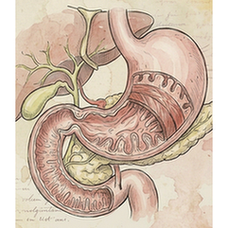
Digestive system
The digestive system is responsible for breaking down food into absorbable nutrients and eliminating solid waste. It consists of the gastrointestinal tract (mouth, esophagus, stomach, intestines, anus) and accessory organs (liver, pancreas, gallbladder). Through mechanical and chemical digestion, it processes food, absorbs water, electrolytes, vitamins, and macronutrients (carbohydrates, proteins, fats), and transports indigestible matter for excretion, providing the body with essential energy and building blocks.
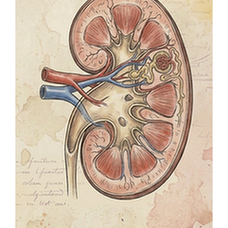
Urinary system
The urinary system, or renal system, is responsible for filtering blood, regulating fluid and electrolyte balance, and excreting metabolic wastes as urine. Its primary organs are the kidneys, ureters, urinary bladder, and urethra. The kidneys filter blood to form urine, reabsorb needed substances, and secrete waste products like urea. This system is critical for maintaining blood pressure, pH balance, red blood cell production (via erythropoietin), and overall homeostasis.
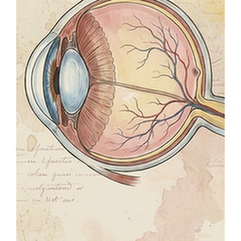
Sensory system
The sensory system is a part of the nervous system responsible for processing sensory information from the environment and the body. It includes specialized sensory receptors for vision, hearing, taste, smell, touch, pain, temperature, and proprioception. These receptors convert stimuli into neural signals, which are transmitted to specific brain regions for interpretation. This system allows organisms to perceive, interpret, and interact effectively with their surroundings, ensuring survival and conscious experience.