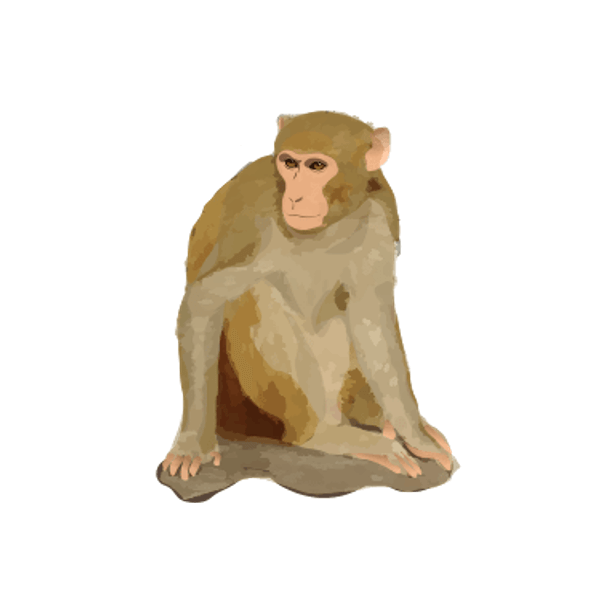
Rhesus macaque
Macaca mulatta
Open species atlasA translational framework for selecting species, genetic backgrounds, interventions, and endpoints in ageing research. The goal is not to nominate one universal model, but to match each model to a precise mechanism, tissue, life stage, and validation step.
Ten vertebrate models span translational primates, laboratory rodents, exceptional mammalian longevity, avian and reptilian life histories, amphibian regeneration, and rapid fish aging. Cards are ordered broadly from closest to most distant from humans; species within the same major clade may be equally related, and birds and turtles share the same amniote common ancestor with humans.
Macaca mulatta
Open species atlas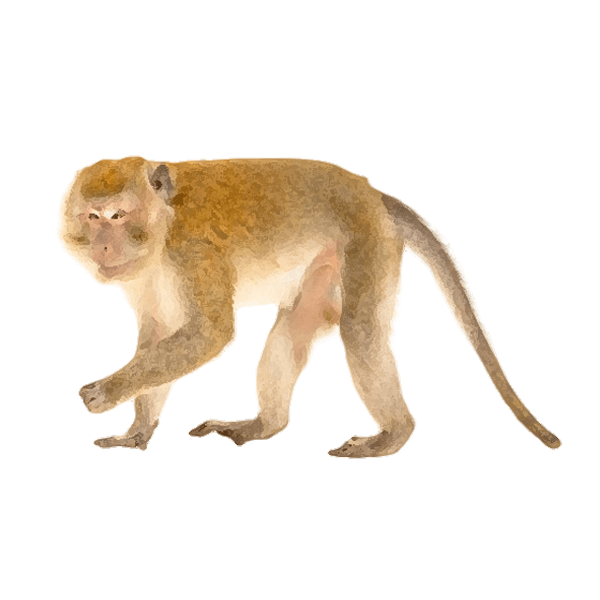
Macaca fascicularis
Open species atlas
Heterocephalus glaber
Open species atlas
Rattus norvegicus
Open species atlas
Mus musculus
Open species atlas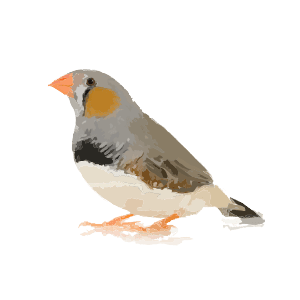
Taeniopygia guttata
Open species atlas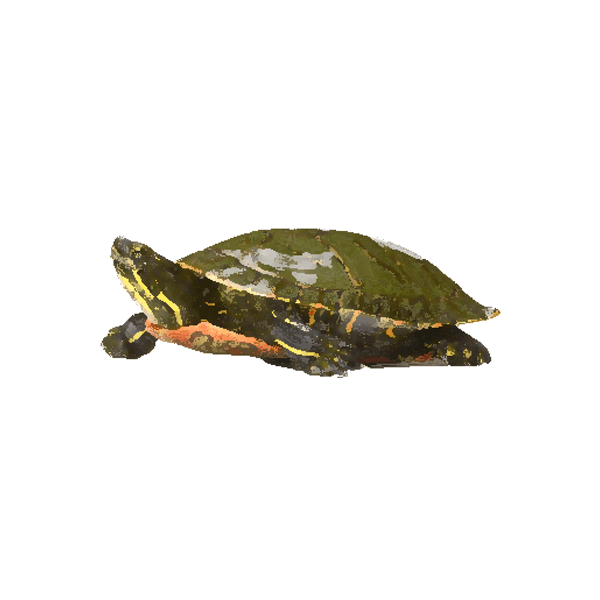
Chrysemys picta
Open species atlas
Ambystoma mexicanum
Open species atlas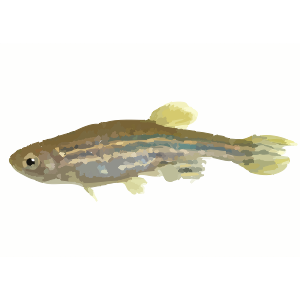
Danio rerio
Open species atlas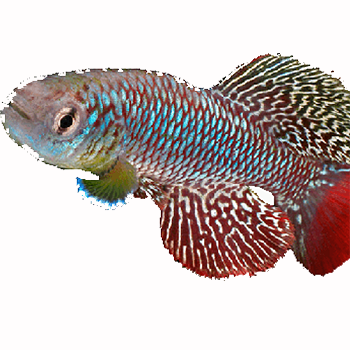
Nothobranchius furzeri
Open species atlasModel choice follows from the causal question, the required tissue and cell biology, the timescale, and the intended translation. A tractable organism is valuable only when its strengths and blind spots match the study.
Use genetically tractable, shorter-lived systems for screens, pathway discovery, epistasis, and dose-response mapping.
Use rodents or another justified mammalian model when endocrine, immune, metabolic, organ, or pharmacokinetic context is essential.
Compare species with informative life histories to identify convergent or lineage-specific adaptations.
Choose models that reproduce the target biology, exposure, biomarker, and clinically relevant outcome rather than merely resemble a disease label.
Timescale, genetic tools, anatomy, physiology, ecology, and feasible endpoints differ across model systems. A staged programme often moves from high-throughput discovery to mammalian validation and comparative triangulation.
Short generation times and strong genetic toolkits support screens, pathway dissection, interaction mapping, and rapid replication.
Vertebrate tissues and experimental accessibility can bridge invertebrate discovery and mammalian physiology.
Rodents support controlled genetics, longitudinal phenotyping, tissue collection, pharmacology, pathology, and survival studies.
Species with unusual longevity, disease resistance, regeneration, or ecology can reveal biological solutions not apparent in standard laboratory models.
These external portals address different layers: species longevity, ageing genes, systematic knockout phenotypes, mouse population variation, intervention survival, and access to aged rodents. Confirm current releases, eligibility, protocols, and licenses at the source.
Curated genes associated with ageing or longevity in model organisms, with evidence linked to the underlying studies.
Curated animal longevity and life-history information for comparative model selection and hypothesis framing.
A standardized, open catalogue of phenotypes generated from mouse knockout lines and matched controls.
A standardized collection of measured data from laboratory mouse strains and populations, including ageing, diet, drug, disease, genotype, and expression studies.
A multi-site platform for evaluating candidate interventions in genetically heterogeneous mice using coordinated protocols.
Barrier-raised, health-monitored aged mouse and rat resources for eligible research focused on ageing and age-related disease.
Species, genetic background, allele, sex, microbiological status, age, and environment can change an ageing phenotype. Record the complete experimental identity before interpreting a result.
Measure molecular, cellular, functional, and pathological change across the life course.
Test necessity, sufficiency, tissue specificity, timing, and pathway interactions using well-defined alleles.
Evaluate whether a controlled exposure changes prespecified survival, function, pathology, or molecular endpoints.
Compress a specific pathology or molecular defect to test a targeted mechanism and treatment.
Use LACA to explore available molecular context after defining the external model evidence. Internal comparisons do not imply that external model, lifespan, or phenotype records are hosted or synchronized locally.
Identify available species and tissue coverage, then document the external model evidence and its provenance.
Map stable identifiers, orthology confidence, one-to-many relationships, and paralogues before comparing expression or perturbation evidence.
Match anatomy, ontology, cell state, sampling age, and assay context rather than relying on similar labels alone.
Ask whether the perturbation, molecular signature, and phenotype agree across models, and actively search for null or opposite results.
Confirm tissue exposure, dose, safety, functional outcomes, and human molecular evidence before a translational claim.
Primary literature and official resource pages used to define this research guide.