Tissues
Nervous system
2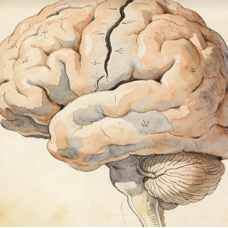
Brain
The whole brain refers to the entire encephalon, encompassing all major divisions: cerebrum (cerebral hemispheres), cerebellum, and brainstem (midbrain, pons, medulla). It is the central organ of the nervous system, responsible for integrating sensory information, generating thoughts and emotions, coordinating all voluntary and involuntary bodily functions, and enabling consciousness. It is protected by the skull and meninges.
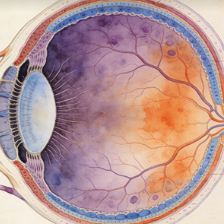
Eye
The retina is the light-sensitive neural tissue lining the back of the eye. It contains photoreceptor cells (rods for dim light, cones for color and detail) that convert light into electrical signals. These signals are processed through a network of bipolar, horizontal, and amacrine cells before being transmitted via retinal ganglion cells, whose axons form the optic nerve, carrying visual information to the brain.
Immune system
3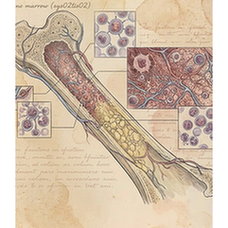
Bone marrow
Bone marrow is the soft, spongy tissue found within the cavities of bones, primarily in the pelvis, sternum, vertebrae, and ribs. It is the primary site of hematopoiesis—the production of all blood cellular components, including red blood cells (erythrocytes), white blood cells (leukocytes), and platelets. It contains hematopoietic stem cells and a supportive stromal microenvironment.
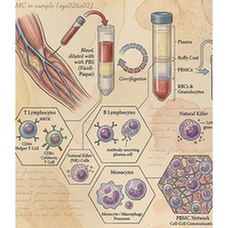
Blood
Peripheral Blood Mononuclear Cells (PBMCs) are a population of blood cells with a single, round nucleus, isolated from peripheral blood. This mixed cell population primarily includes lymphocytes (T cells, B cells, NK cells) and monocytes. They are a critical component of the immune system and are widely used in research and diagnostics for immunophenotyping, functional assays, and genetic studies.
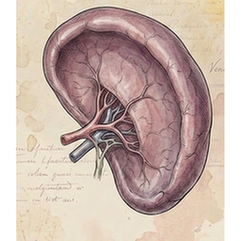
Spleen
The spleen is the largest secondary lymphoid organ, located in the left upper abdomen. It filters blood, removing old or damaged red blood cells and platelets, and captures blood-borne pathogens. Its white pulp contains immune cells (lymphocytes, macrophages) that mount immune responses. The red pulp is responsible for RBC filtration and storage. It is a key site for antibody production and immune surveillance.
Cardiovascular system
2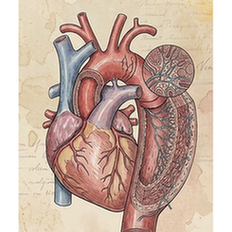
Vessel
The aorta is the largest artery in the body, originating from the left ventricle of the heart. It distributes oxygenated blood to the systemic circulation under high pressure. Its structure includes a thick, elastic wall with three layers (tunica intima, media, adventitia) that allow it to withstand and smooth out the pulsatile flow from the heart. Diseases like aneurysms and atherosclerosis primarily affect the aorta.
Heart
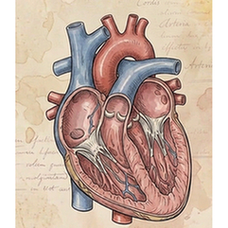
The heart is a muscular organ that functions as the central pump of the circulatory system. It has four chambers: two atria (receiving chambers) and two ventricles (pumping chambers). Through coordinated, rhythmic contractions (the cardiac cycle), it pumps deoxygenated blood to the lungs via the pulmonary circuit and oxygenated blood to the rest of the body via the systemic circuit. Its own blood supply comes from the coronary arteries.
Endocrine system
2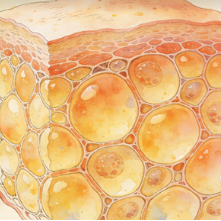
Adipose
Subcutaneous adipose tissue (SAT) is the layer of fat located directly beneath the skin (the hypodermis). It serves as an energy reservoir, provides thermal insulation, and offers mechanical cushioning. Its distribution varies by sex (more in hips/thighs in females, more in abdomen in males). It also acts as an endocrine organ, secreting adipokines like leptin and adiponectin, which influence metabolism and appetite.
Adipose
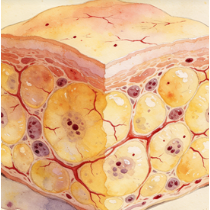
Visceral adipose tissue (VAT) is body fat stored within the abdominal cavity, surrounding internal organs like the liver, pancreas, and intestines. Unlike subcutaneous fat, it is metabolically more active and is strongly associated with increased risk of metabolic diseases, including type 2 diabetes, cardiovascular disease, and insulin resistance. It releases inflammatory cytokines and free fatty acids directly into the portal circulation, affecting liver metabolism.