System introduction
Immune system
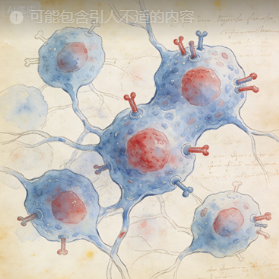
The immune system is a complex defense network that protects the body from pathogens like bacteria, viruses, and fungi, as well as from abnormal cells. It consists of innate (non-specific, immediate) and adaptive (specific, memory-based) components. Key cells include lymphocytes (B and T cells), phagocytes (macrophages, neutrophils), and antigen-presenting cells. It functions via physical barriers, immune surveillance, targeted attacks, and the production of antibodies and cytokines to maintain health and homeostasis.
Source: LACA body-system catalog