 🐾
Species
🐾
Species
Rickett's big-footed bat
Myotis ricketti
Bats
Species Overview
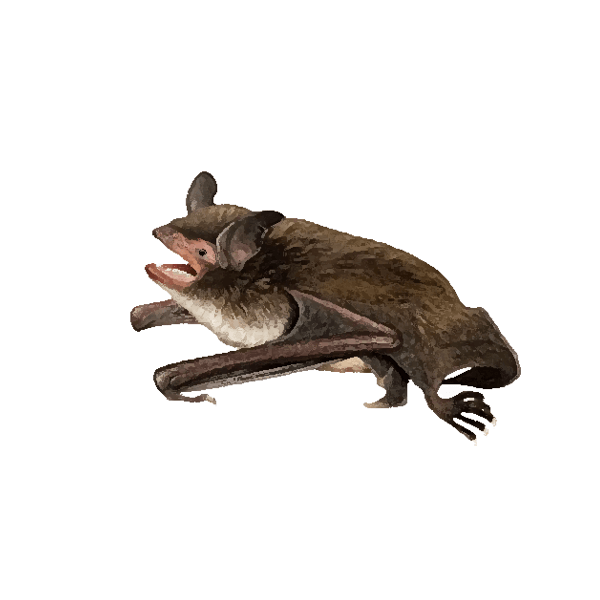
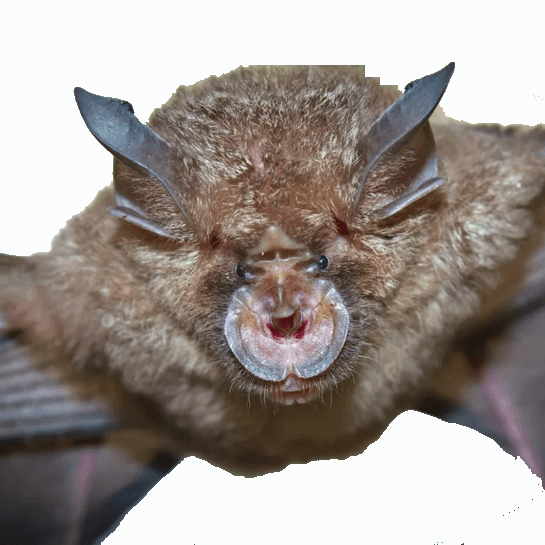
A large Myotis bat (sometimes Myotis pilosus or treated as conspecific with it; taxonomy debated) native to southern China and Vietnam. Adults weigh 18–30 g, making them one of the largest species in the genus. They are distinguished by their remarkably large hind feet with long, curved claws—adaptations for trawling fish from the water surface, a rare foraging strategy among bats. Their fur is grayish-brown, and they have long, narrow wings for maneuvering over water. They roost in limestone caves, often near rivers and lakes. At night, they fly low over calm water, using echolocation to detect surface disturbances made by fish, then rake the water with their enlarged feet. They also eat aquatic insects. This piscivorous behavior is shared by only a handful of bat species worldwide. Females likely produce one pup per year. They are of interest for studies of echolocation adaptations for water surface detection and for their role as hosts of bat-borne viruses. Cave disturbance is a conservation concern. IUCN: Near Threatened.
Integrated UMAP Atlas & Gene Explorer
Loading longevity analysis…
Loading UMAP for Rickett's big-footed bat…
Cell Distribution — WebGL
Cells: 0Types: 0Zoom: 1.0x
→ UMAP_1
↑ UMAP_2
Loading...
Cell Types
Loading cell types...
—
Tissues
—
Systems
—
Samples
0
Total Cells
0
Cell Types
View by System
Biological System Atlas1Systems

View by Tissue
Tissue-Level Cell Distribution1Tissues

View by Cell Type
Cellular Composition Explorer9Cell Types









📄 Overview
Related Species in Bats
Cell Type
Expression
Coords