Tissues
Nervous system
2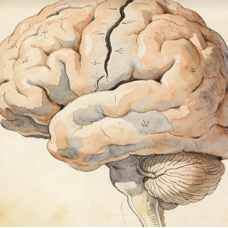
Brain
The whole brain refers to the entire encephalon, encompassing all major divisions: cerebrum (cerebral hemispheres), cerebellum, and brainstem (midbrain, pons, medulla). It is the central organ of the nervous system, responsible for integrating sensory information, generating thoughts and emotions, coordinating all voluntary and involuntary bodily functions, and enabling consciousness. It is protected by the skull and meninges.
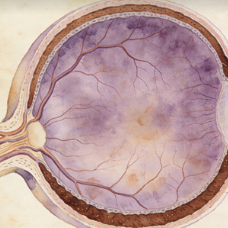
Eye
This complex refers to the functional unit of the posterior eye, comprising the neural retina and the underlying retinal pigment epithelium (RPE). The neural retina detects and processes light, while the RPE provides critical metabolic support, waste removal, and light absorption. Their intimate structural and functional relationship is essential for normal vision; diseases often involve both layers.
Immune system
2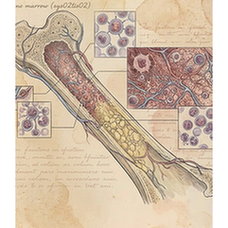
Bone marrow
Bone marrow is the soft, spongy tissue found within the cavities of bones, primarily in the pelvis, sternum, vertebrae, and ribs. It is the primary site of hematopoiesis—the production of all blood cellular components, including red blood cells (erythrocytes), white blood cells (leukocytes), and platelets. It contains hematopoietic stem cells and a supportive stromal microenvironment.
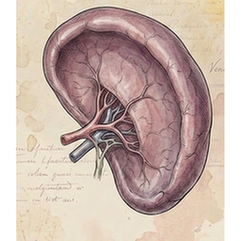
Spleen
The spleen is the largest secondary lymphoid organ, located in the left upper abdomen. It filters blood, removing old or damaged red blood cells and platelets, and captures blood-borne pathogens. Its white pulp contains immune cells (lymphocytes, macrophages) that mount immune responses. The red pulp is responsible for RBC filtration and storage. It is a key site for antibody production and immune surveillance.
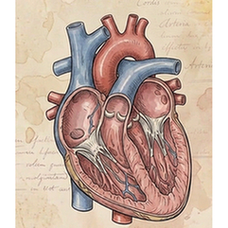
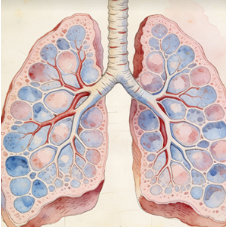
Digestive system
4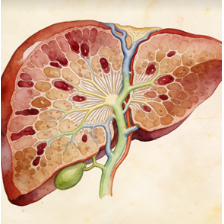
Liver
The liver is the largest internal organ and a metabolic powerhouse located in the upper right abdomen. It performs over 500 vital functions, including detoxification of metabolites, protein synthesis, production of biochemicals for digestion (bile), glycogen storage, regulation of blood glucose, synthesis of plasma proteins (e.g., albumin), and breakdown of old red blood cells. It has a remarkable capacity for regeneration.
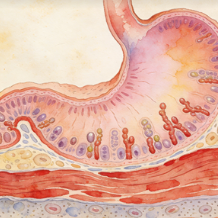
Stomach
The stomach is a J-shaped muscular sac in the upper abdomen that serves as a temporary reservoir for food. It mechanically churns and chemically digests food via gastric acid (HCl) and enzymes like pepsin. Its lining secretes mucus to protect itself. It regulates the delivery of partially digested food (chyme) into the small intestine. It also produces intrinsic factor, essential for vitamin B12 absorption.
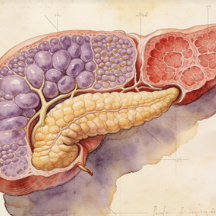
Pancreas
The pancreas is a dual-function gland located behind the stomach. Its exocrine portion (acinar cells) produces digestive enzymes (lipase, amylase, proteases) secreted into the duodenum. Its endocrine portion (islets of Langerhans) secretes hormones directly into the bloodstream, primarily insulin (from beta cells) and glucagon (from alpha cells), which are crucial for blood glucose regulation.
Intestine
Reproductive system
3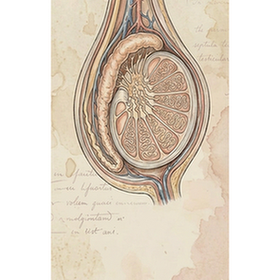
Testis
The testes (singular: testis) are the male primary gonads, housed in the scrotum. They have two primary functions: spermatogenesis, the production of spermatozoa in the seminiferous tubules; and steroidogenesis, the secretion of androgens, primarily testosterone, by Leydig cells. Temperature regulation in the scrotum is essential for normal spermatogenesis. Testosterone drives male secondary sexual characteristics and reproductive function.
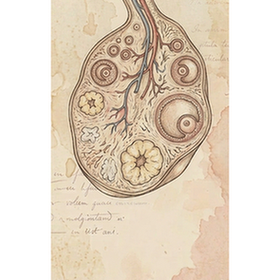
Ovary
The ovaries are the female primary gonads, located in the pelvic cavity. They have two key functions: gametogenesis, the production and release of oocytes (eggs) through ovulation; and steroidogenesis, the secretion of the sex hormones estrogen and progesterone. These hormones regulate the menstrual cycle, support pregnancy, and maintain female secondary sexual characteristics. The ovaries contain a finite number of follicles at birth.
Fallopian tube
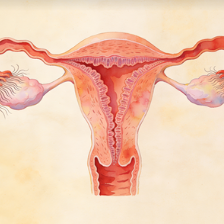
The Fallopian tubes (uterine tubes or oviducts) are paired tubes that extend from near the ovaries to the uterus. They are not directly attached to the ovaries. Their function is to transport the oocyte from the ovary to the uterus. Fertilization by sperm typically occurs in the ampulla region. Their ciliated lining and muscular contractions facilitate the movement of the oocyte or embryo.
Urinary system
2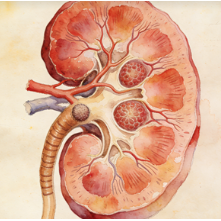
Kidney
The kidneys are paired, bean-shaped organs located retroperitoneally in the upper abdominal area. They are the body's primary filtration system, removing waste products and excess ions from blood to form urine. They critically regulate blood volume, pressure, pH, and electrolyte balance (e.g., sodium, potassium). They also produce hormones: erythropoietin (stimulates RBC production) and renin (regulates blood pressure).
Bladder
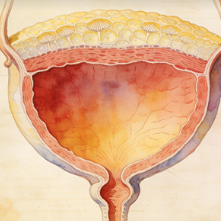
The urinary bladder is a hollow, muscular, distensible organ located in the pelvis. Its primary function is to store urine produced by the kidneys before it is excreted from the body via micturition (urination). The detrusor muscle in its wall contracts to expel urine. Its capacity and the sensation of fullness are controlled by complex neural pathways. The internal and external urethral sphincters control release.