⚙ How is this computed? Methods: Correlation Analysis
Longevity · Real single-cell summary

Longevity signature by Cell Type

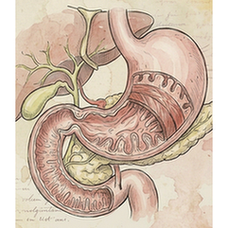
Digestive system illustration
sys05 · Digestive system
System introduction

Digestive system

The digestive system is responsible for breaking down food into absorbable nutrients and eliminating solid waste. It consists of the gastrointestinal tract (mouth, esophagus, stomach, intestines, anus) and accessory organs (liver, pancreas, gallbladder). Through mechanical and chemical digestion, it processes food, absorbs water, electrolytes, vitamins, and macronutrients (carbohydrates, proteins, fats), and transports indigestible matter for excretion, providing the body with essential energy and building blocks.

Source: LACA body-system catalog

Observed descriptive scores for the predefined 15-gene longevity signature in SP121's selected system. Values are read from the published system payload.

SP121 · Digestive system147,706 cells35 cell types
0.06154Overall mean score
0.05473Overall median
0.1509695th percentile
83.22%Cells with score > 0
HepatocytesHighest observed mean score
Selected system

Cell-type summary

Filter by system or cell type. “Positive” means score greater than zero; it is not a p-value or enrichment call.

RankCell typeCellsMean scorePositive cellsMaximumSampling note
Method & provenance

Dataset contract

Equal-weight species-calibrated score

mean(clip(matrix_value / species_positive_q99, 0, 1))

  • Each mapped gene is scaled by its 99th percentile among positive cells in the complete source-species H5AD.
  • The same 15 mapped genes and SP121 species calibration are used for every system.
  • The score is descriptive relative expression on a 0–1 scale.

Pinned analyzed release

Release: r20260808-v4
Source file: SP121.h5ad
Cell-type key: laca_curated_celltype_v3
Generated: 2026-08-07T17:18:39.407488+00:00