⚙ How is this computed? Methods: Correlation Analysis
Longevity · Real single-cell summary

Longevity signature by Cell Type

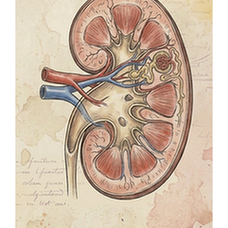
Urinary system illustration
sys09 · Urinary system
System introduction

Urinary system

The urinary system, or renal system, is responsible for filtering blood, regulating fluid and electrolyte balance, and excreting metabolic wastes as urine. Its primary organs are the kidneys, ureters, urinary bladder, and urethra. The kidneys filter blood to form urine, reabsorb needed substances, and secrete waste products like urea. This system is critical for maintaining blood pressure, pH balance, red blood cell production (via erythropoietin), and overall homeostasis.

Source: LACA body-system catalog

Observed descriptive scores for the predefined 15-gene longevity signature in SP121's selected system. Values are read from the published system payload.

SP121 · Urinary system45,640 cells14 cell types
0.05835Overall mean score
0.05614Overall median
0.1305595th percentile
85.18%Cells with score > 0
MacrophagesHighest observed mean score
Selected system

Cell-type summary

Filter by system or cell type. “Positive” means score greater than zero; it is not a p-value or enrichment call.

RankCell typeCellsMean scorePositive cellsMaximumSampling note
Method & provenance

Dataset contract

Equal-weight species-calibrated score

mean(clip(matrix_value / species_positive_q99, 0, 1))

  • Each mapped gene is scaled by its 99th percentile among positive cells in the complete source-species H5AD.
  • The same 15 mapped genes and SP121 species calibration are used for every system.
  • The score is descriptive relative expression on a 0–1 scale.

Pinned analyzed release

Release: r20260808-v4
Source file: SP121.h5ad
Cell-type key: laca_curated_celltype_v3
Generated: 2026-08-07T17:18:42.138118+00:00