 🐾
Species
🐾
Species
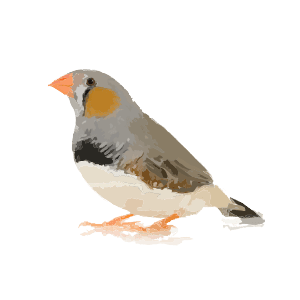
Zebra finch
Taeniopygia guttata
Birds
Species Overview
A small passerine bird (family Estrildidae) native to Australia and the Lesser Sunda Islands. Adults weigh 10–16 g with a body length of ~10 cm. Males are strikingly patterned: gray body, chestnut ear patches, spotted chestnut flanks, a black-and-white barred tail, a red-orange beak, and a "tear stripe" below the eye. Females are plainer, gray-brown with an orange beak. They are the most popular model organism for birdsong neurobiology—young males learn their song from a tutor (father) during a critical sensitive period, a process with strong parallels to human speech acquisition. This has yielded fundamental insights into neural circuits of vocal learning (song system nuclei HVC, RA, Area X). They inhabit arid grasslands and open woodlands, are highly social, and feed on grass seeds. They are opportunistic breeders, nesting after rain in arid zones. They lay 4–6 eggs; incubation: 12–16 days. Their genome was the second avian genome sequenced (2010, 2n=80). They are the most commonly kept finch in aviculture. Lifespan: 5–7 years captive. IUCN: Least Concern.
Integrated UMAP Atlas & Gene Explorer
Loading longevity analysis…
Loading UMAP for Zebra finch…
Cell Distribution — WebGL
Cells: 0Types: 0Zoom: 1.0x
→ UMAP_1
↑ UMAP_2
Loading...
Cell Types
Loading cell types...
—
Tissues
—
Systems
—
Samples
0
Total Cells
0
Cell Types
View by System
Biological System Atlas1Systems

View by Tissue
Tissue-Level Cell Distribution1Tissues

View by Cell Type
Cellular Composition Explorer8Cell Types






View Datasets
Species-Related Single-Cell Datasets2Datasets
| DataID ↕ | Latin Name ↕ | Folder ID ↕ | Tissue ↕ | Title ↕ | Detail | QC | Analysis |
|---|---|---|---|---|---|---|---|
| Data1279 | Taeniopygia guttata | Taeniopygia_guttata_33574185_2021_Rank0001 | Brain | Cellular transcriptomics reveals evolutionary identities of songbird vocal circuits | QC | Analysis | |
| Data1384 | Taeniopygia guttata | BS0001618;BS0001619 | Brain | Cellular transcriptomics reveals evolutionary identities of songbird vocal circuits;Expression of FoxP2 in the basal ganglia regulates vocal motor sequences in the adult songbird | QC | Analysis |
📄 Overview
Related Species in Birds
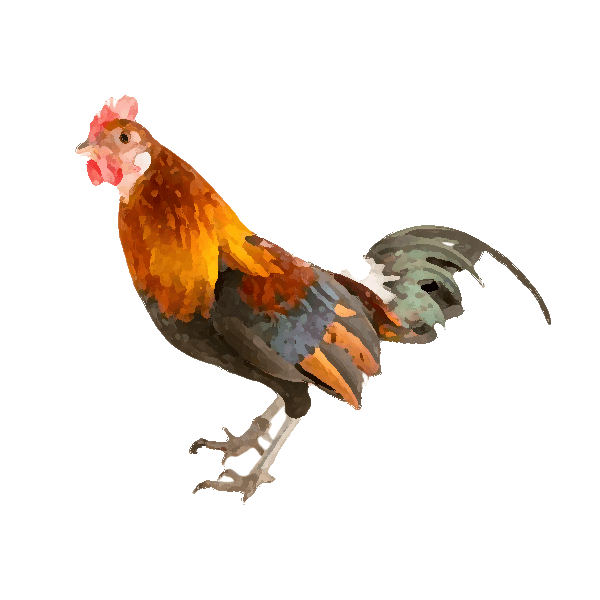
Red junglefowl
Gallus gallus
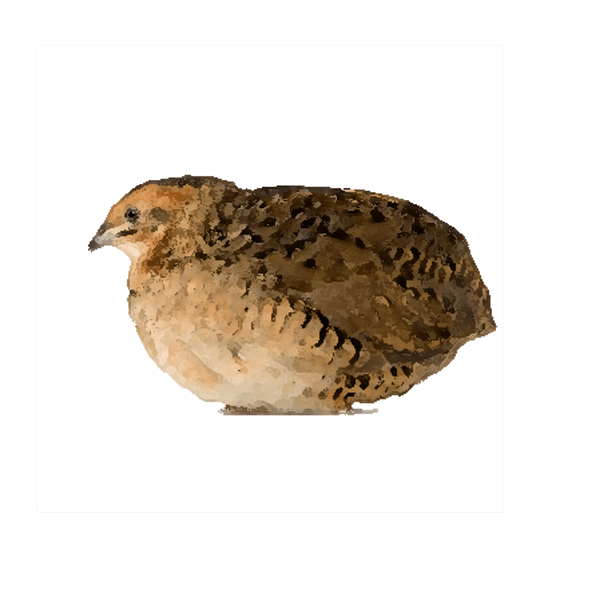
Japanese quail
Coturnix japonica
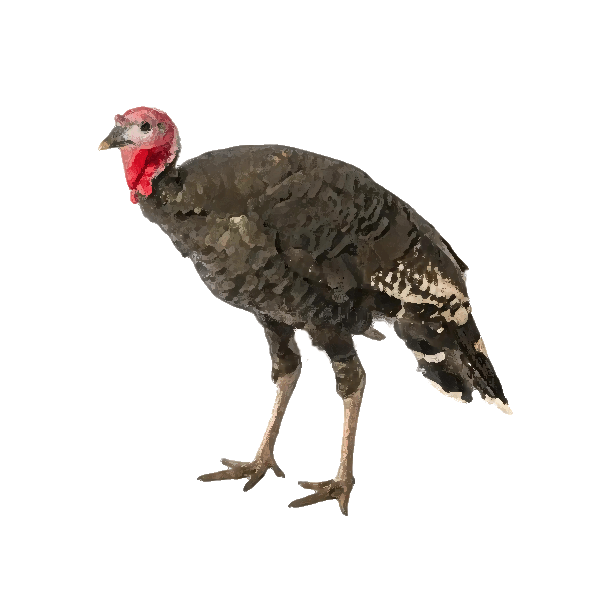
Wild turkey
Meleagris gallopavo
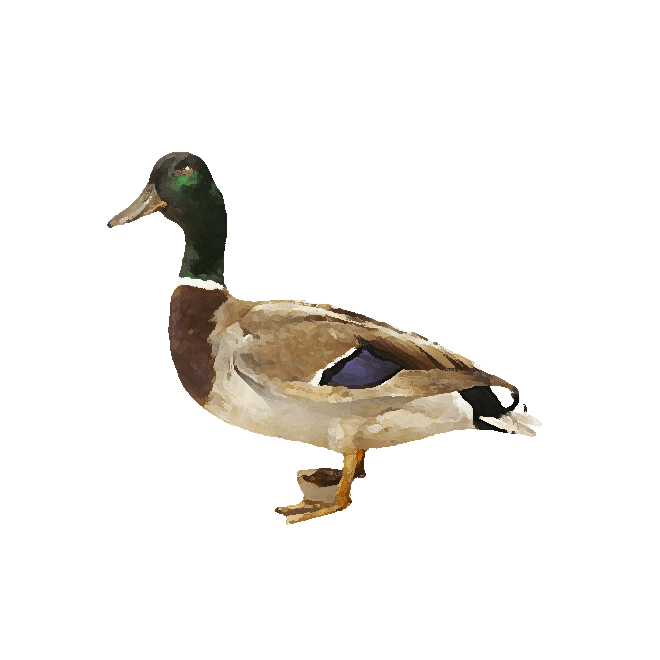
Mallard
Anas platyrhynchos
Zebra finch
Taeniopygia guttata
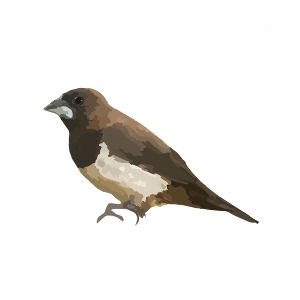
Society finch
Lonchura striata domestica
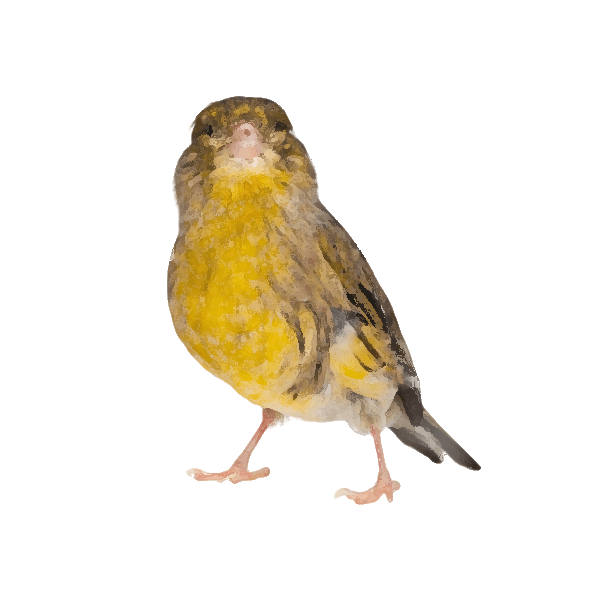
Atlantic canary
Serinus canaria
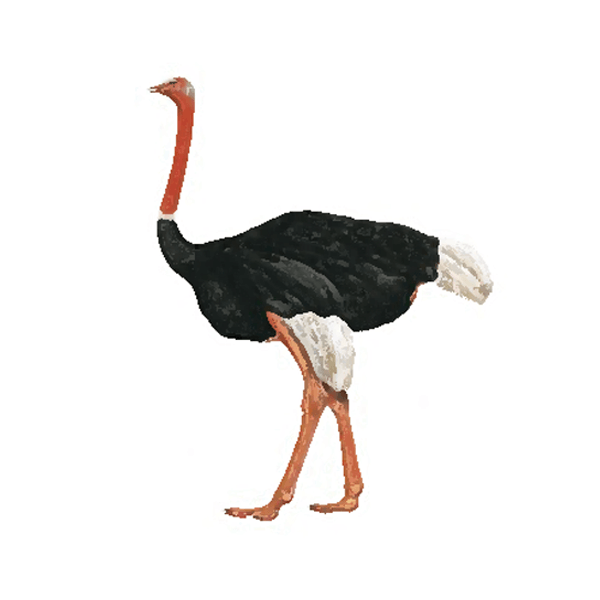
Common ostrich
Struthio camelus
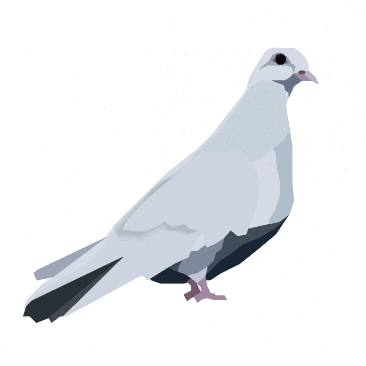
Domestic pigeon
Columba livia
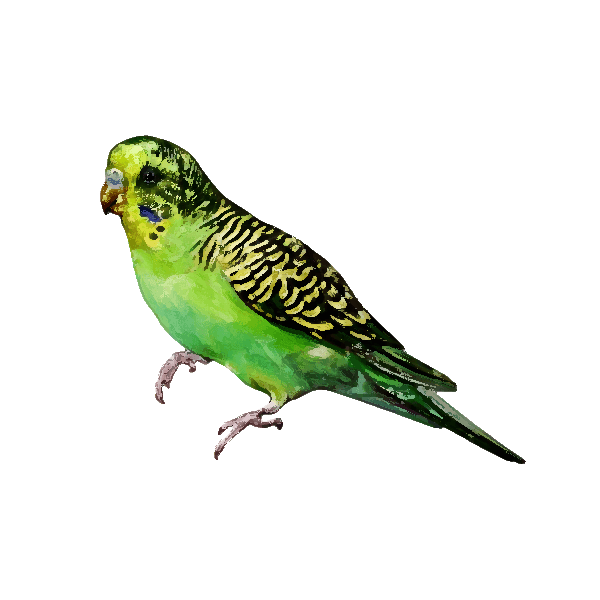
Budgerigar
Melopsittacus undulatus
Cell Type
Expression
Coords