 🐾
Species
🐾
Species
Species Overview
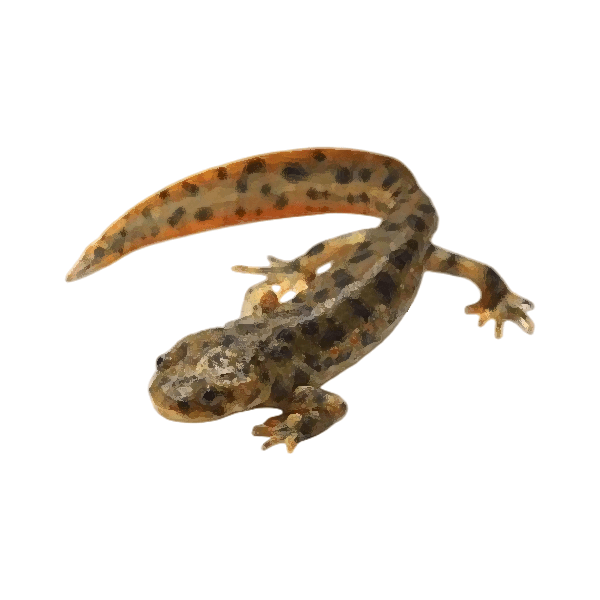
A remarkable neotenic salamander (family Ambystomatidae) endemic to the Lake Xochimilco system in the Valley of Mexico. Adults reach 15–30 cm total length and weigh 60–200 g. They are permanently aquatic and paedomorphic—retaining larval features (external feathery gills, a caudal fin, and an aquatic lifestyle) throughout adulthood rather than metamorphosing. Coloration in the wild is dark brown or black (melanistic); laboratory and pet populations are commonly leucistic (white/pink with dark eyes), albino, or golden. They possess one of the most extraordinary regenerative abilities of any vertebrate—capable of completely regenerating limbs, tail, heart tissue, spinal cord, and even parts of the brain without scarring. This makes them an invaluable model for regenerative medicine, stem cell biology, and developmental biology. Their genome is enormous (~32 Gb—10× human). Diet: worms, insects, small fish. Females lay 100–1,000 eggs per clutch. Critically Endangered in the wild (near extinction), surviving in only a few degraded canals. Lifespan: 10–15 years. 2n=28. Culturally significant in Aztec mythology (god Xolotl).
Integrated UMAP Atlas & Gene Explorer
Loading longevity analysis…
Loading UMAP for Axolotl…
Cell Distribution — WebGL
Cells: 0Types: 0Zoom: 1.0x
→ UMAP_1
↑ UMAP_2
Loading...
Cell Types
Loading cell types...
—
Tissues
—
Systems
—
Samples
0
Total Cells
0
Cell Types
View by System
Biological System Atlas1Systems
View by Tissue
Tissue-Level Cell Distribution1Tissues
View by Cell Type
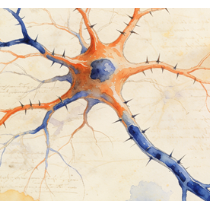
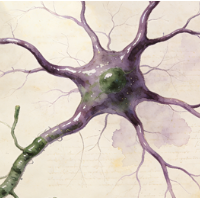
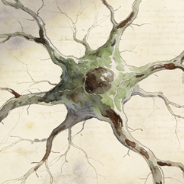
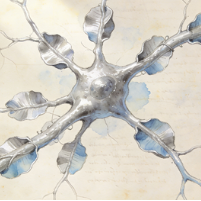
Cellular Composition Explorer8Cell Types
View Datasets
Species-Related Single-Cell Datasets2Datasets
📄 Overview
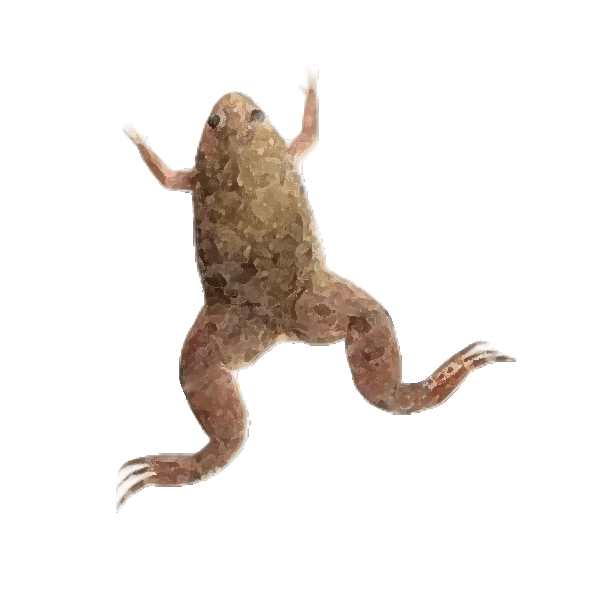
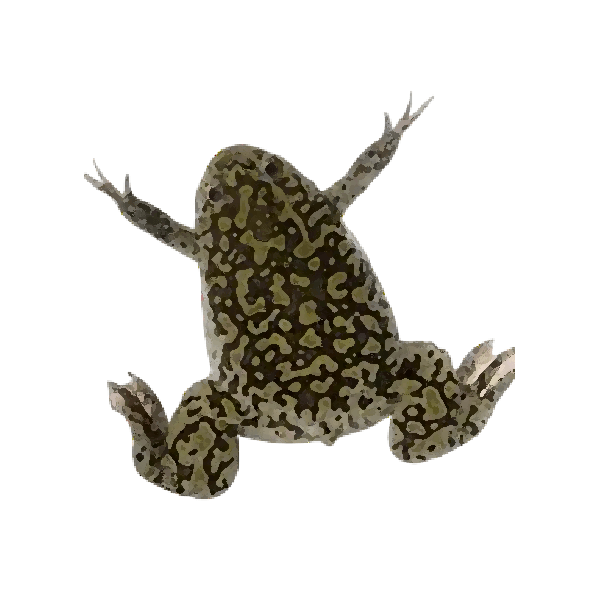
Related Species in Amphibians
Cell Type
Expression
Coords