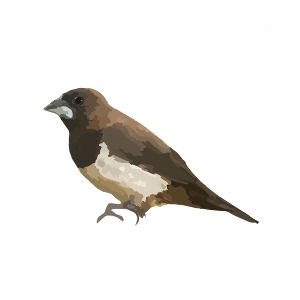
 🐾
Species
🐾
Species
Society finch
Lonchura striata domestica
Birds
Species Overview
A small domesticated passerine (family Estrildidae) derived from the white-rumped munia (Lonchura striata) of South and Southeast Asia. Adults weigh ~12–15 g. Domestic birds display variable plumage—white, brown, fawn, pied, and chocolate—unlike the wild progenitor's uniform brown. They have a stout, conical bill for seed-eating. Bengalese finches were domesticated in Japan at least 250+ years ago, primarily as cage birds and foster parents. They are remarkably docile and are widely used as foster parents for breeding other finch species that are poor parents in captivity. In neuroscience, they are an important model for vocal learning alongside zebra finches: their song is more complex and variable than the zebra finch's, providing complementary insights into birdsong learning, syntax, and the neural basis of vocal sequencing. They are highly social and breed prolifically in captivity, laying 4–7 eggs per clutch with ~16 days of incubation. They represent an interesting case study in the genetics of domestication. Lifespan: 6–10 years. 2n=78.
Integrated UMAP Atlas & Gene Explorer
Loading longevity analysis…
Loading UMAP for Society finch…
Cell Distribution — WebGL
Cells: 0Types: 0Zoom: 1.0x
→ UMAP_1
↑ UMAP_2
Loading...
Cell Types
Loading cell types...
—
Tissues
—
Systems
—
Samples
0
Total Cells
0
Cell Types
View by System
Biological System Atlas1Systems
View by Tissue
Tissue-Level Cell Distribution1Tissues
View by Cell Type
Cellular Composition Explorer8Cell Types
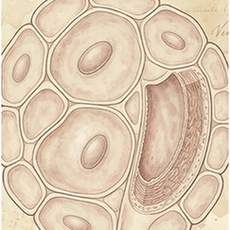

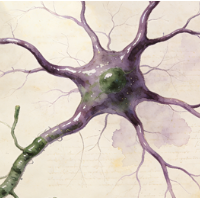

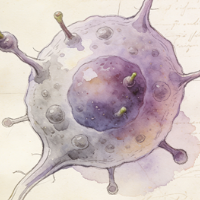

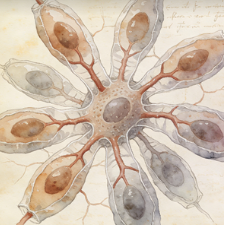
View Datasets
Species-Related Single-Cell Datasets1Datasets
📄 Overview
Related Species in Birds
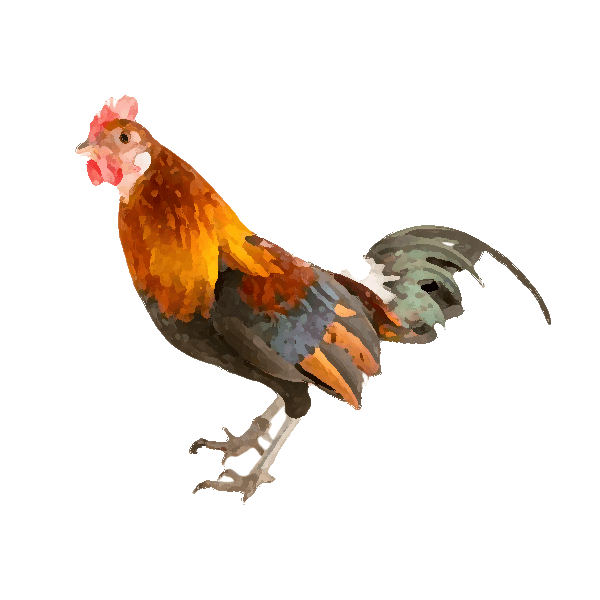
Red junglefowl
Gallus gallus
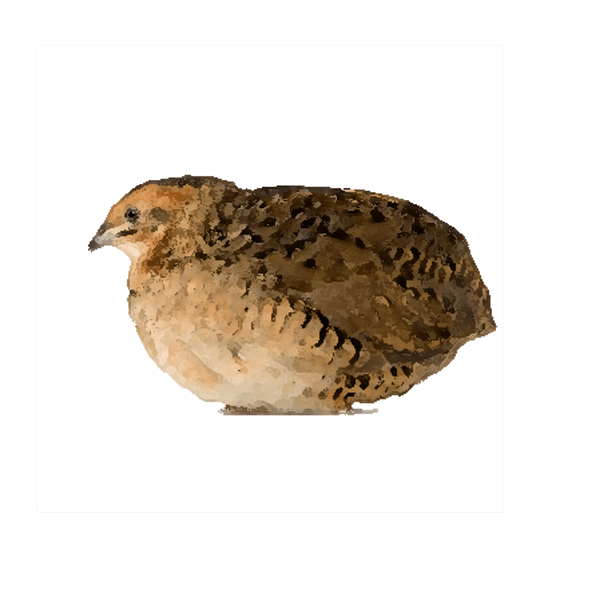
Japanese quail
Coturnix japonica
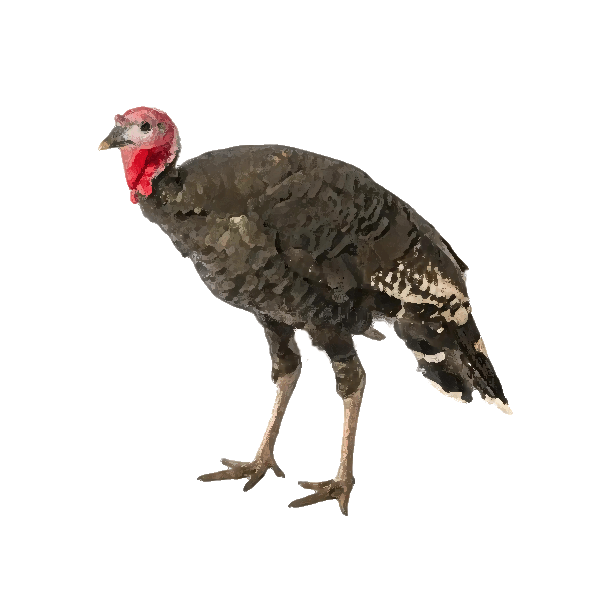
Wild turkey
Meleagris gallopavo
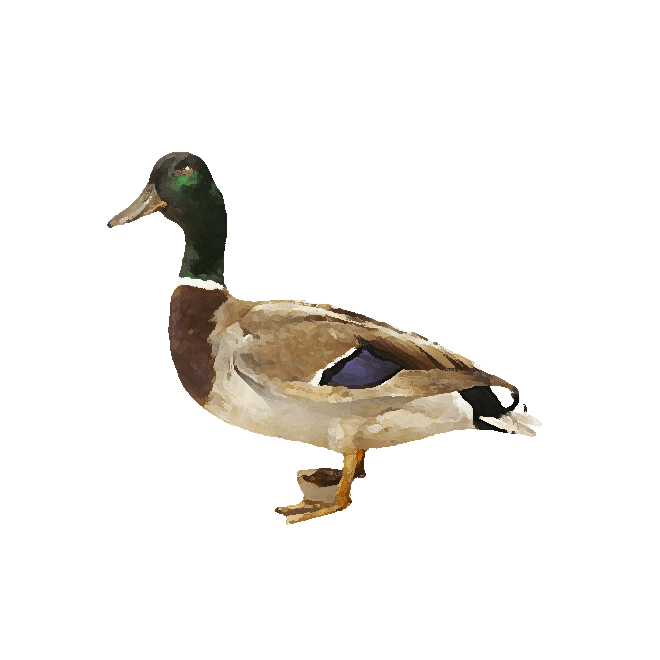
Mallard
Anas platyrhynchos
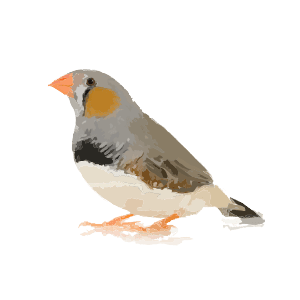
Zebra finch
Taeniopygia guttata
Society finch
Lonchura striata domestica
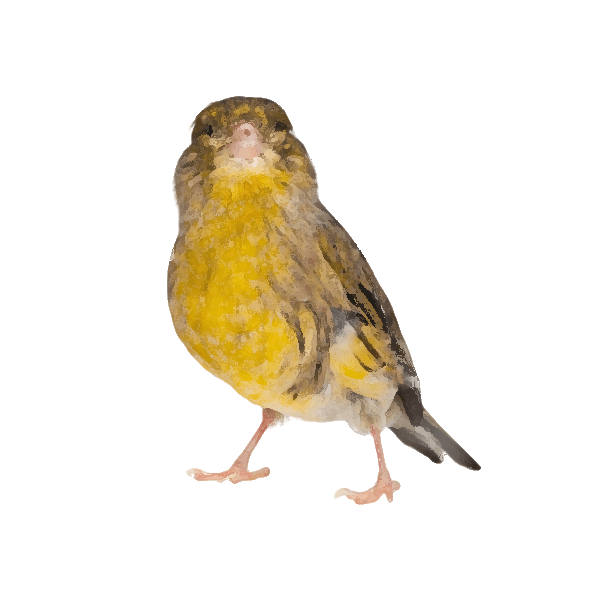
Atlantic canary
Serinus canaria
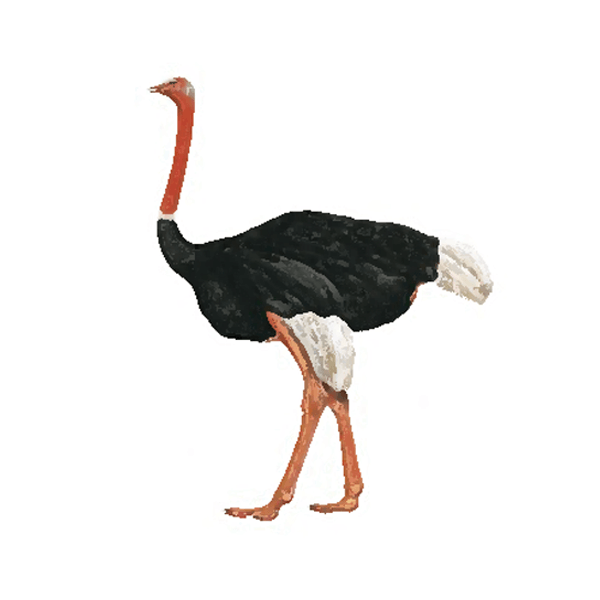
Common ostrich
Struthio camelus
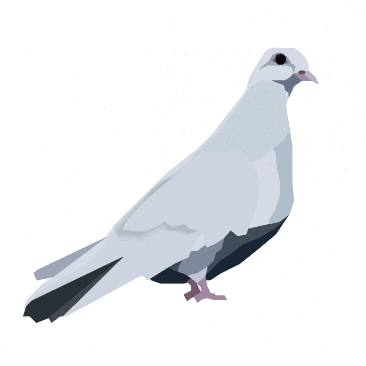
Domestic pigeon
Columba livia
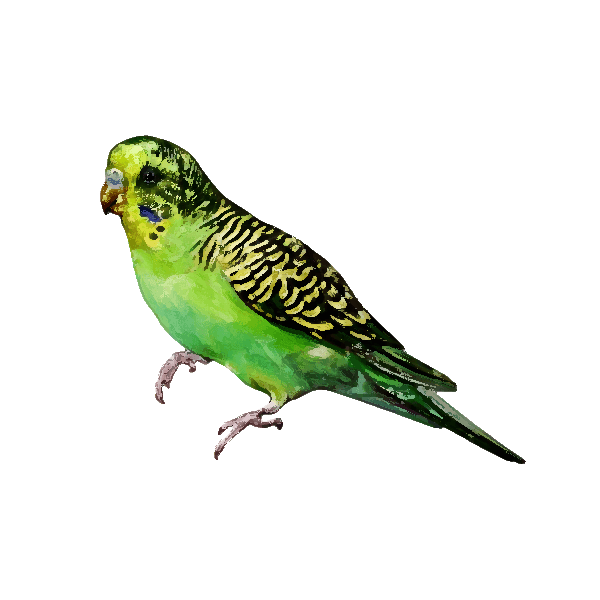
Budgerigar
Melopsittacus undulatus
Cell Type
Expression
Coords