 🐾
Species
🐾
Species
Species Overview
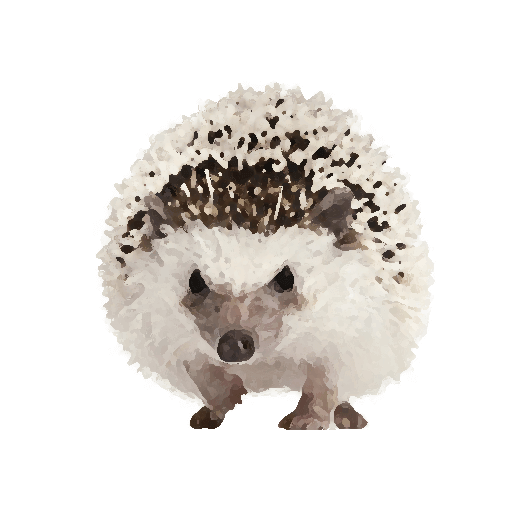
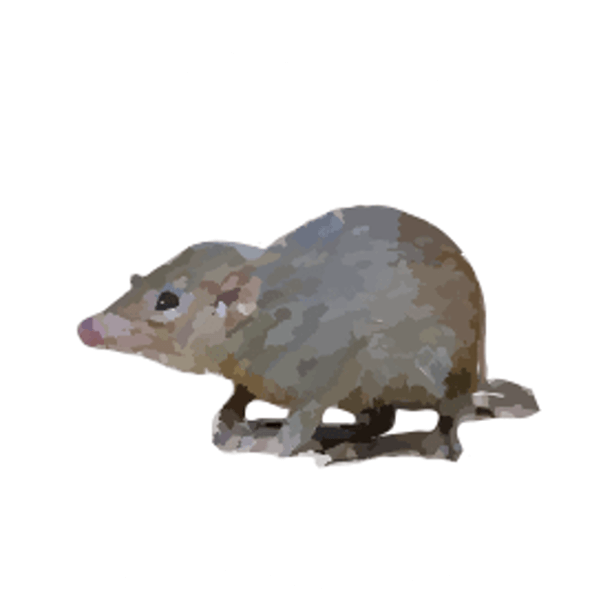
A small insectivore (family Erinaceidae, order Erinaceomorpha) from Central and East African savannas and scrublands. Adults weigh 300–600 g with a body length of ~20 cm. The dorsal surface is covered with ~5,000–7,000 short, sharp spines (modified hairs) banded brown and white; the face, limbs, and belly have soft white fur. They have a pointed snout, small eyes, and short legs. Each hind foot has only four toes (lacking the hallux), hence the name. Nocturnal and solitary, they curl into a tight, spiny ball when threatened. Diet: primarily insects (beetles, termites, crickets), plus snails, worms, small vertebrates, and some plant matter. They can self-anoint—chewing toxic substances and spreading foamy saliva on their spines, possibly for defense. Gestation: ~35 days, 2–5 hoglets. They are the most popular species in the exotic pet hedgehog trade worldwide. They serve as models for fatty liver disease and obesity. They can enter torpor in cool conditions. Lifespan: 4–6 years captive. IUCN: Least Concern.
Integrated UMAP Atlas & Gene Explorer
Loading longevity analysis…
Loading UMAP for Four-toed hedgehog…
Cell Distribution — WebGL
Cells: 0Types: 0Zoom: 1.0x
→ UMAP_1
↑ UMAP_2
Loading...
Cell Types
Loading cell types...
—
Tissues
—
Systems
—
Samples
0
Total Cells
0
Cell Types
View by System
Biological System Atlas1Systems

View by Tissue
Tissue-Level Cell Distribution1Tissues
View by Cell Type
Cellular Composition Explorer11Cell Types


View Datasets
Species-Related Single-Cell Datasets1Datasets
📄 Overview
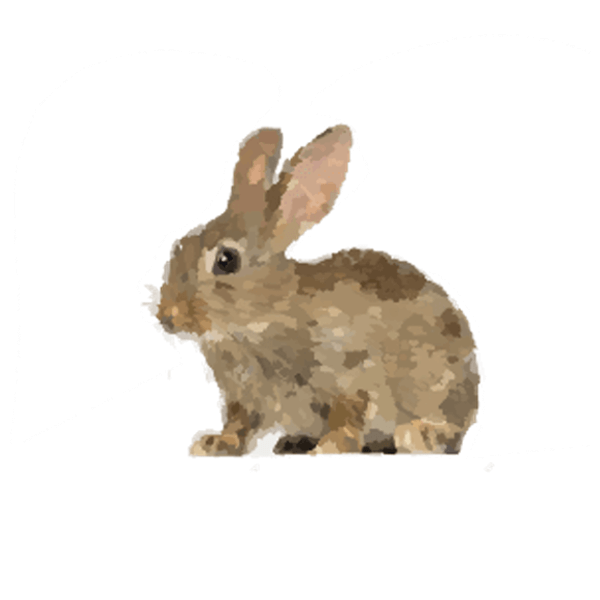
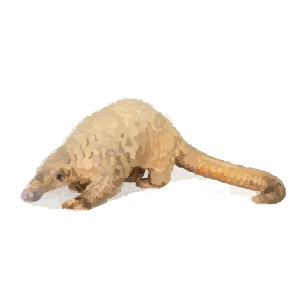
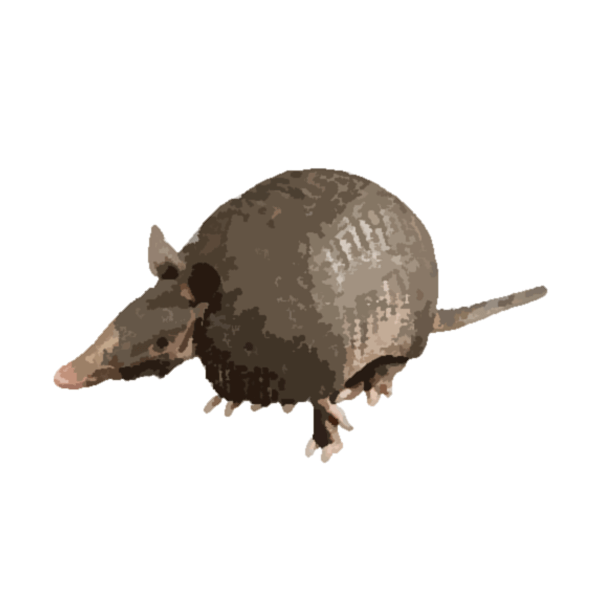
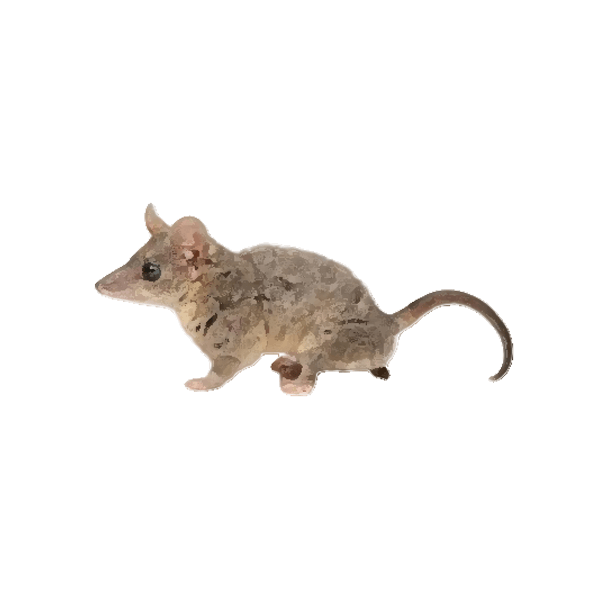
Related Species in Other mammals
Cell Type
Expression
Coords