 🐾
Species
🐾
Species
Species Overview
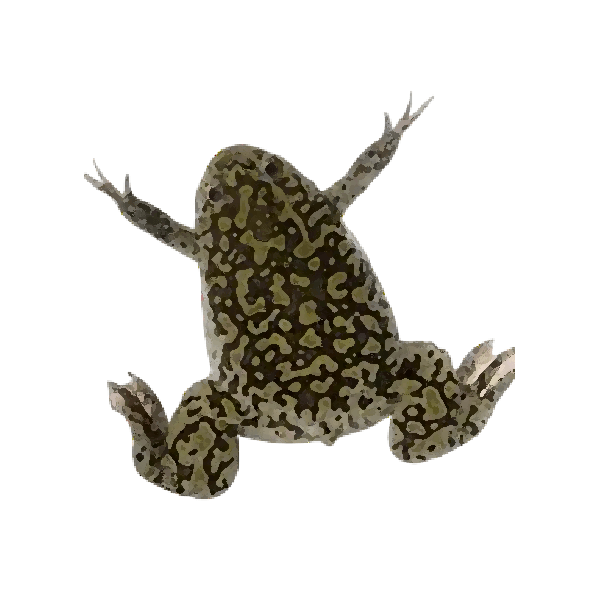
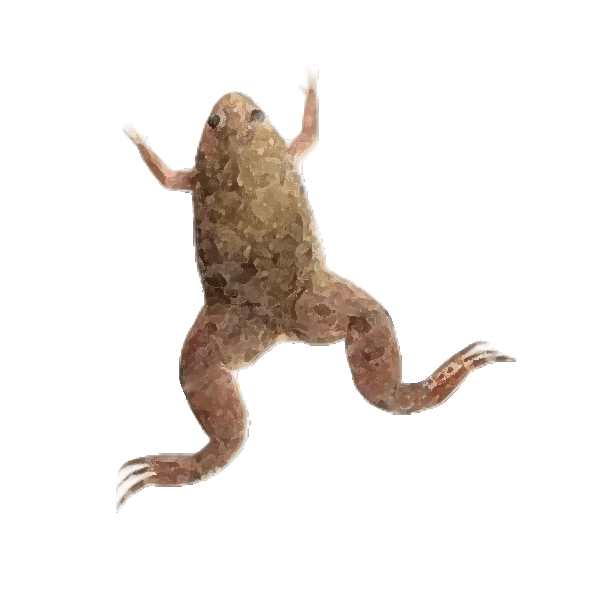
A small aquatic pipid frog native to tropical West Africa. Adults are 4–5 cm and weigh ~8–10 g—significantly smaller than X. laevis. Body is similar in shape: dorsoventrally flattened, fully aquatic, with webbed, clawed hind feet and small forelimbs. Skin is olive-brown to gray. Unlike X. laevis, this species is diploid (2n=20), making it the genetics-friendly complement—true diploids are essential for forward genetics, mutagenesis screens, and gene knockout studies. It has a shorter generation time (~4 months vs. 1–2 years for X. laevis) and a smaller genome (~1.7 Gb vs. ~3.1 Gb). Its genome was sequenced in 2010—the first amphibian genome completed. It has become the primary Xenopus species for genomic, transgenic, and CRISPR applications. Females produce thousands of eggs per spawning. They are used in developmental biology, organogenesis, regeneration, and toxicology studies. They inhabit tropical lowland forests, breeding in pools and slow streams. Diet: small invertebrates. Lifespan: 10–15 years in captivity. IUCN: Least Concern.
Integrated UMAP Atlas & Gene Explorer
Provisional atlas release
This provisional release contains 10,004 cells from a single published whole-body landscape dataset. Cell-type labels follow the source publication's annotations (a large fraction is uncharacterized) and have not yet been standardized to the LACA cell-type vocabulary. Gene-expression search is unavailable for this release.
10,004 cells · Landscape · provisional annotations Loading UMAP for Western clawed frog…
Cell Distribution — WebGL
Cells: 0Types: 0Zoom: 1.0x
→ UMAP_1
↑ UMAP_2
Loading...
Cell Types
Loading cell types...
—
Tissues
—
Systems
—
Samples
0
Total Cells
0
Cell Types
View by System
Biological System Atlas2Systems
View by Tissue
Tissue-Level Cell Distribution4Tissues
View by Cell Type
Cellular Composition Explorer91Cell Types
Adrenergic neurons
→
Adventitial cells
→
Amacrine cells
→
Bipolar cells
→
Cholangiocytes
→
Cone cells
→
Corticotropes
→
Cycling basal cells
→
Cycling Cells
→
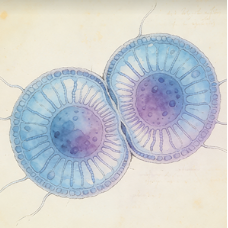
Cycling ciliated cells
→
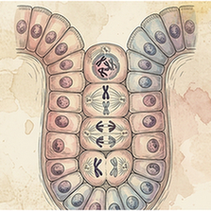
Cycling epithelial cells
→
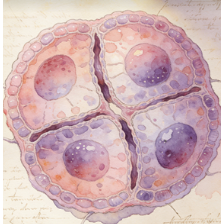
Cycling glandular cells
→
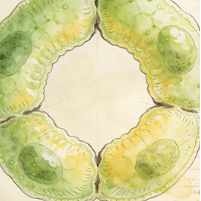
Cycling intermediate cells
→
Cycling luminal epithelial cells
→
Cycling stereociliated cells
→
Descending limb of loop of Henle cells
→
Effector chondrocytes
→
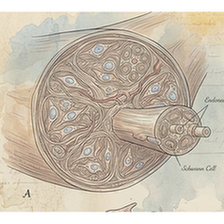
Endoneurial cells
→
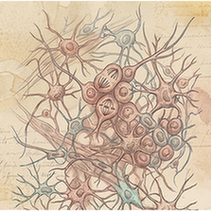
Enteric neuronal progenitor cells
→
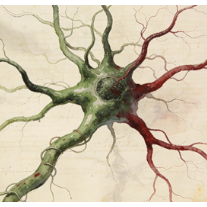
Enteric neurons
→
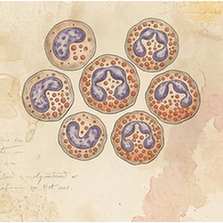
Eosinophils
→
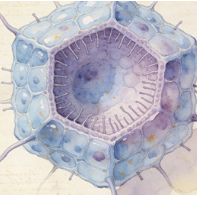
Ependymal cells
→
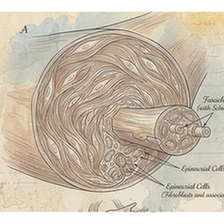
Epineurial cells
→
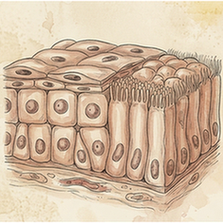
Epithelial cells
→
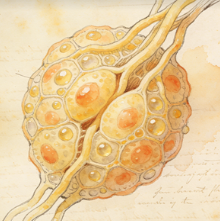
Fasciculata cells
→
Fibrocartilage chondrocytes
→
Follicular cells
→
Folliculostellate cells
→
Ganglion cells
→
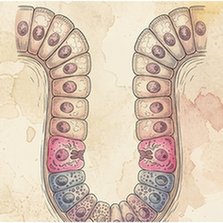
Gastric epithelial cells
→
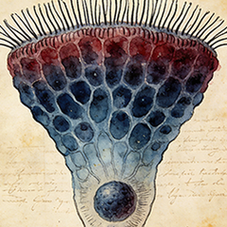
Glandular cells
→
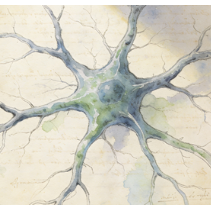
Glial cells
→
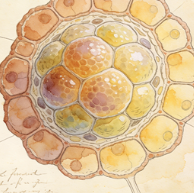
Glomerulosa cells
→
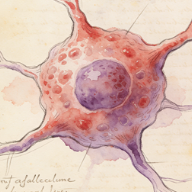
Gonadotropes
→
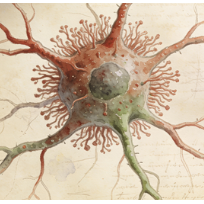
Granule cells
→
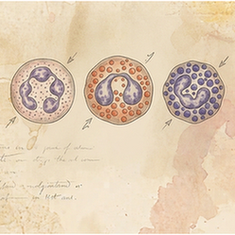
Granulocytes
→
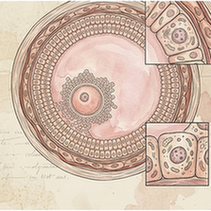
Granulosa cells
→
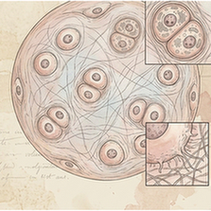
Homeostatic chondrocytes
→
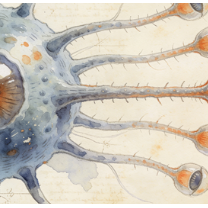
Horizontal cells
→
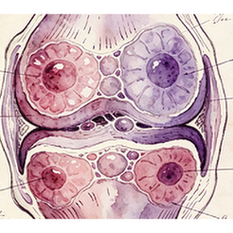
Hypertrophic chondrocytes
→
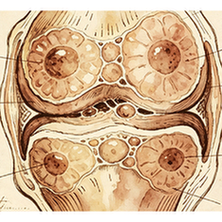
Inflammatory chondrocytes
→
Lactotropes
→
Luminal epithelial cells
→
Melanotropes
→
Mesenchymal cells
→
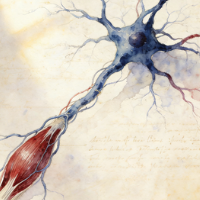
Motor neurons
→
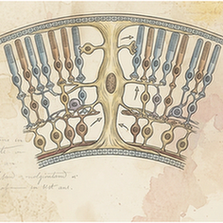
Muller cells
→
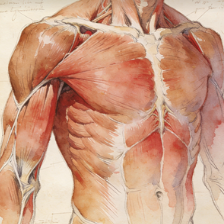
Myotendinous junctions
→
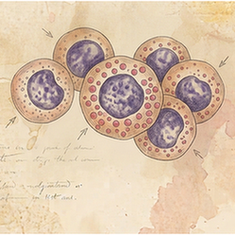
Natural killer cells
→
Natural killer T cells
→
Neural crest cells
→
Neural progenitor cells
→
Neuromuscular junctions
→
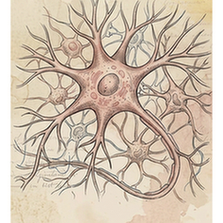
Neurons
→
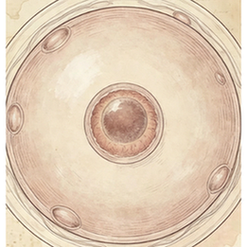
Oocytes
→
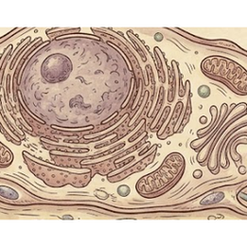
Osteoblasts
→
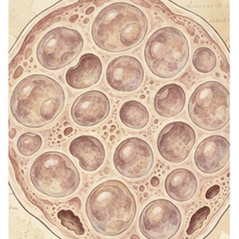
Osteoclasts
→
Other stromal cells
→
Oviduct epithelial cells
→
Perineurial cells
→
Pinealocytes
→
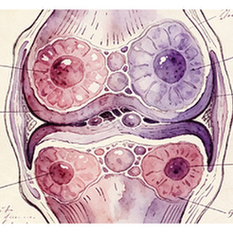
Pre-hypertrophic chondrocytes
→
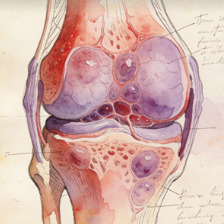
Pre-inflammatory chondrocytes
→
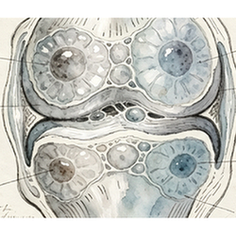
Precursor fibrocartilage chondrocytes
→
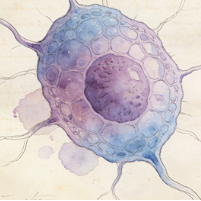
Principal like cells
→
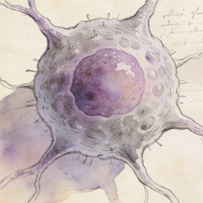
Progenitor-like epithelial cells
→
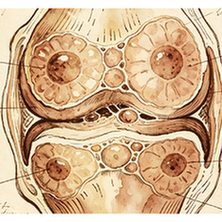
Proliferative chondrocytes
→
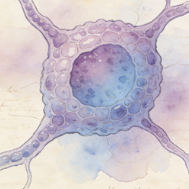
Prostate progenitor cells
→
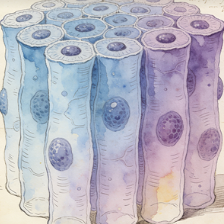
Pseudostratified columnar cells
→
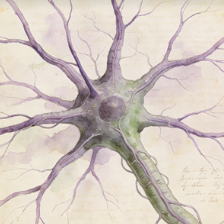
Radial glial cells
→
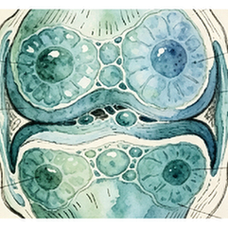
Regulatory chondrocytes
→
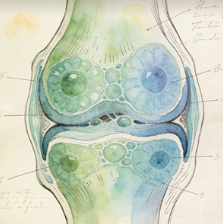
Reparative chondrocytes
→
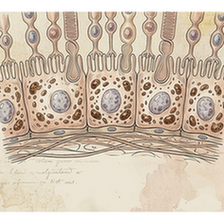
Retinal pigmentary epithelial cells
→
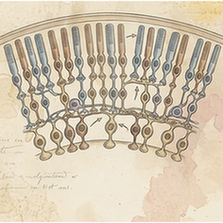
Rod cells
→
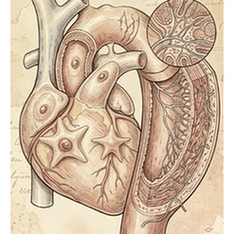
Satellite cells
→
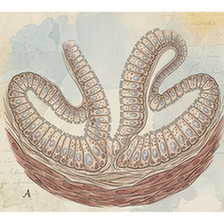
Seminal vesicle epithelial cells
→
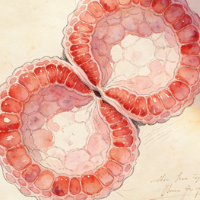
Serous cells
→
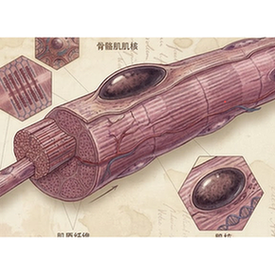
Skeletal myonuclei
→
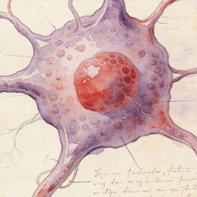
Somatotropes
→
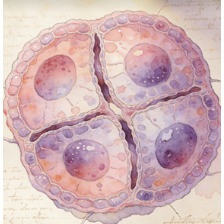
Squamous cells
→
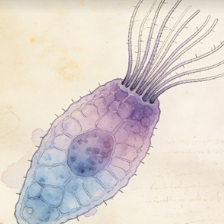
Stereociliated cells
→
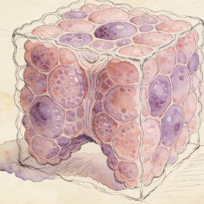
Supporting cells of vestibular epithelium
→
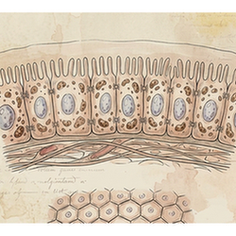
Surface epithelial cells
→
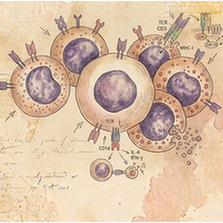
T_NKT cells
→
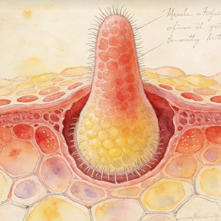
Taste cells
→
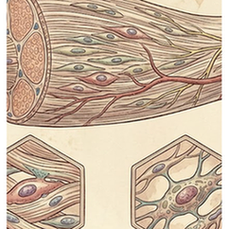
Tendon cells
→
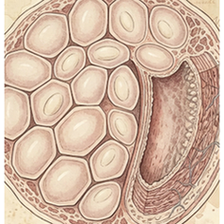
Theca cells
→
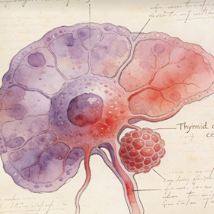
Thyrotropes
→
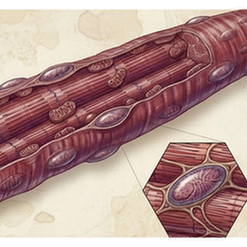
Type I myonuclei
→
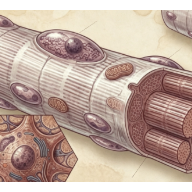
Type II myonuclei
→
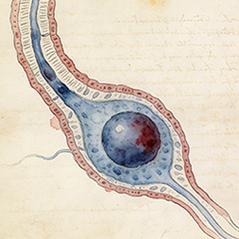
Vestibular dark cells
→
Related Species in Amphibians
Cell Type
Expression
Coords