 🐾
Species
🐾
Species
Species Overview
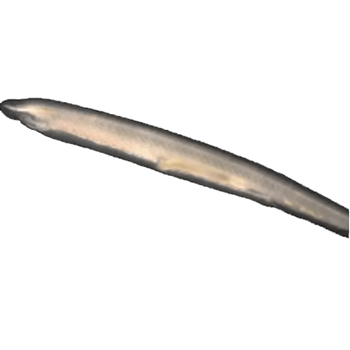
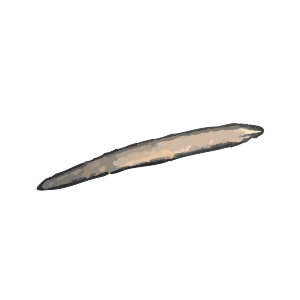
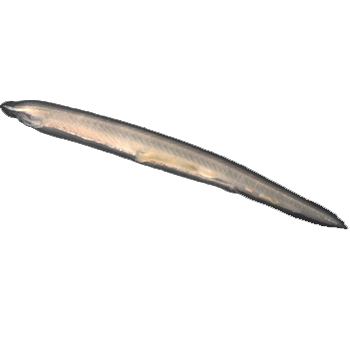
Branchiostoma japonicum is a cephalochordate native to the coastal waters of East Asia, particularly around Japan and China. Like other lancelets, it is a small (4–6 cm), laterally compressed, semi-transparent organism that lives partially buried in sandy or gravelly substrates in shallow marine environments. It retains the ancestral chordate body plan with a persistent notochord, dorsal hollow nerve cord, pharyngeal gill slits, and a post-anal tail throughout its life. It feeds by filter-feeding, drawing water into the pharynx and trapping plankton and organic particles with a mucous net. B. japonicum has been widely used in developmental biology research in East Asia due to its accessibility and its phylogenetic position as a basal chordate. Its embryonic development is relatively simple and rapid, making it suitable for studies of gene expression and body axis formation. The species exhibits sexual reproduction with seasonal spawning, typically in warm months. Compared to B. floridae, B. japonicum has been the subject of extensive transcriptomic and genomic studies in Chinese and Japanese laboratories, contributing to our understanding of chordate evolution, Hox gene clusters, and the transition from invertebrate to vertebrate body plans.
Integrated UMAP Atlas & Gene Explorer
Provisional atlas release
This view is a provisional release built from a public dataset (PMID 34336847) that has not yet completed the LACA annotation pipeline: cell groups are unsupervised Leiden clusters without curated cell-type names, and the embedding was recomputed by LACA (normalize/HVG/PCA/UMAP) without batch correction. Gene search is disabled pending the curated release.
3,141 cells · provisional clusters Loading UMAP for Japanese lancelet…
Cell Distribution — WebGL
Cells: 0Types: 0Zoom: 1.0x
→ UMAP_1
↑ UMAP_2
Loading...
Cell Types
Loading cell types...
—
Tissues
—
Systems
—
Samples
0
Total Cells
0
Cell Types
View by System
Biological System Atlas2Systems
View by Tissue
Tissue-Level Cell Distribution4Tissues
View by Cell Type
Cellular Composition Explorer91Cell Types
Adrenergic neurons
→
Adventitial cells
→
Amacrine cells
→
Bipolar cells
→
Cholangiocytes
→
Cone cells
→
Corticotropes
→
Cycling basal cells
→
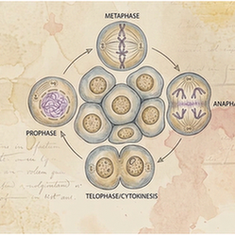
Cycling Cells
→
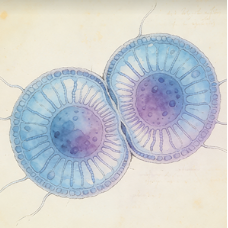
Cycling ciliated cells
→
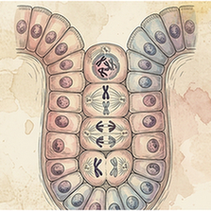
Cycling epithelial cells
→
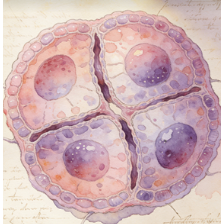
Cycling glandular cells
→
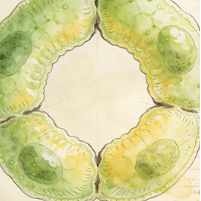
Cycling intermediate cells
→
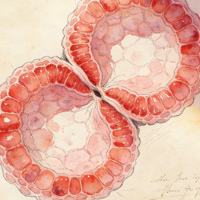
Cycling luminal epithelial cells
→
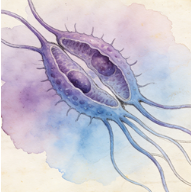
Cycling stereociliated cells
→
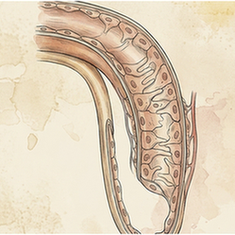
Descending limb of loop of Henle cells
→
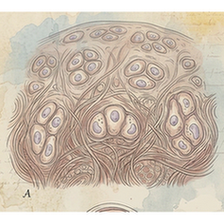
Effector chondrocytes
→
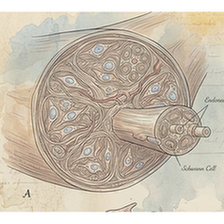
Endoneurial cells
→
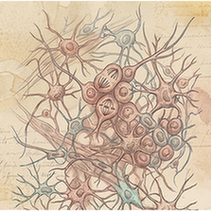
Enteric neuronal progenitor cells
→
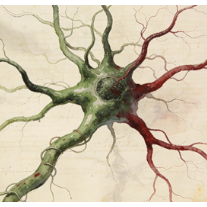
Enteric neurons
→
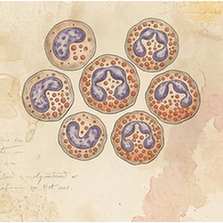
Eosinophils
→
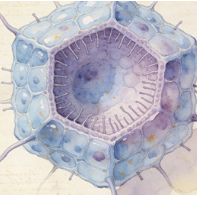
Ependymal cells
→
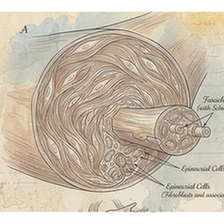
Epineurial cells
→
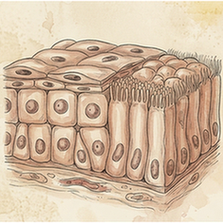
Epithelial cells
→
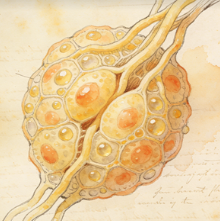
Fasciculata cells
→
Fibrocartilage chondrocytes
→
Follicular cells
→
Folliculostellate cells
→
Ganglion cells
→
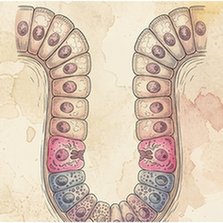
Gastric epithelial cells
→
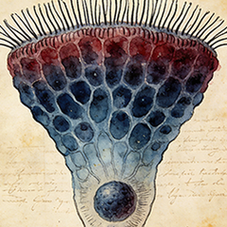
Glandular cells
→
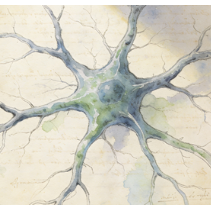
Glial cells
→
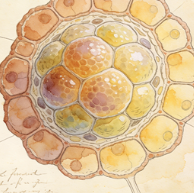
Glomerulosa cells
→
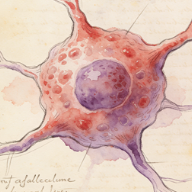
Gonadotropes
→
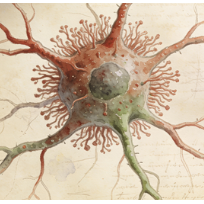
Granule cells
→
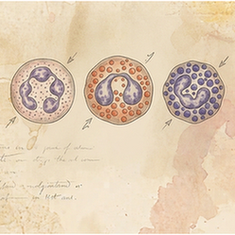
Granulocytes
→
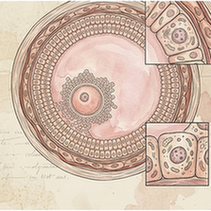
Granulosa cells
→
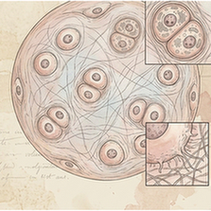
Homeostatic chondrocytes
→
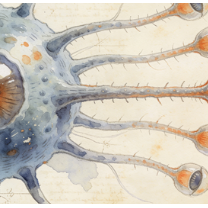
Horizontal cells
→
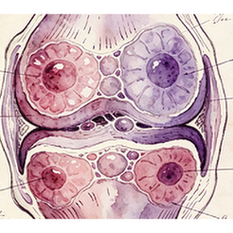
Hypertrophic chondrocytes
→
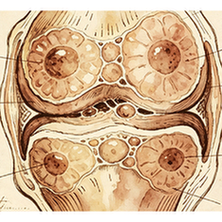
Inflammatory chondrocytes
→
Lactotropes
→
Luminal epithelial cells
→
Melanotropes
→
Mesenchymal cells
→
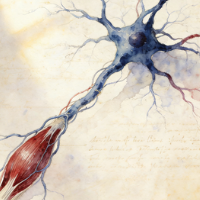
Motor neurons
→
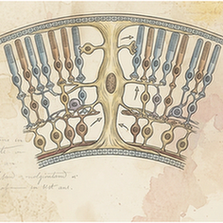
Muller cells
→
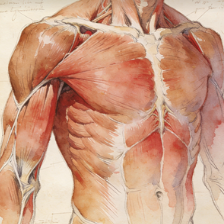
Myotendinous junctions
→
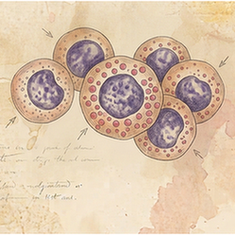
Natural killer cells
→
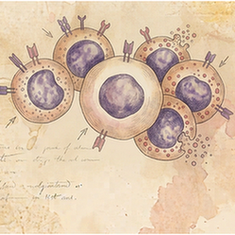
Natural killer T cells
→
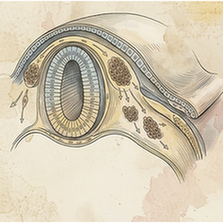
Neural crest cells
→
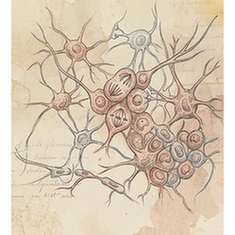
Neural progenitor cells
→
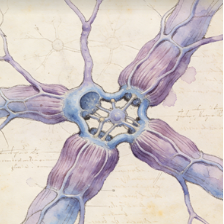
Neuromuscular junctions
→
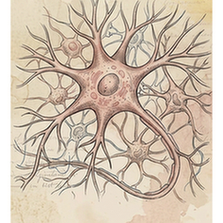
Neurons
→
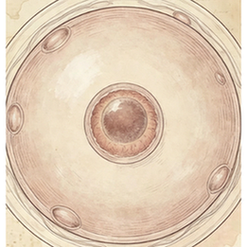
Oocytes
→
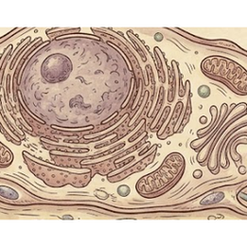
Osteoblasts
→
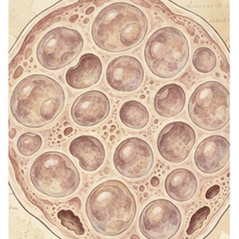
Osteoclasts
→
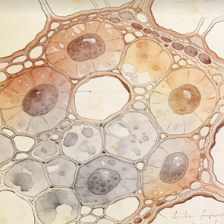
Other stromal cells
→
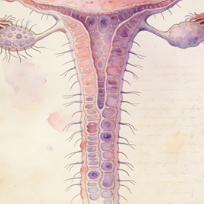
Oviduct epithelial cells
→
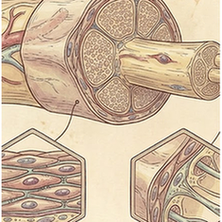
Perineurial cells
→
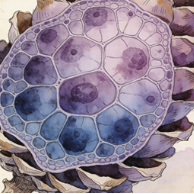
Pinealocytes
→
Pre-hypertrophic chondrocytes
→
Pre-inflammatory chondrocytes
→
Precursor fibrocartilage chondrocytes
→
Principal like cells
→
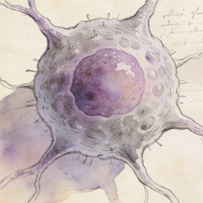
Progenitor-like epithelial cells
→
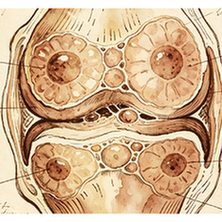
Proliferative chondrocytes
→
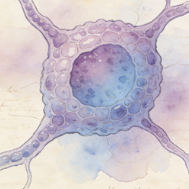
Prostate progenitor cells
→
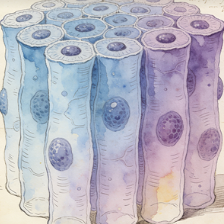
Pseudostratified columnar cells
→
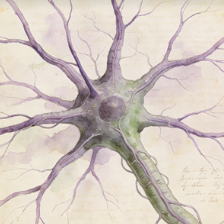
Radial glial cells
→
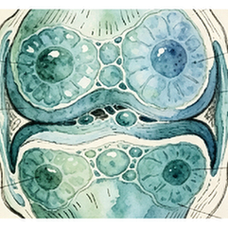
Regulatory chondrocytes
→
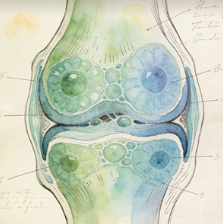
Reparative chondrocytes
→
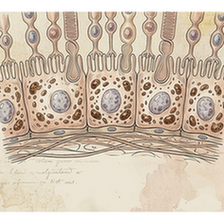
Retinal pigmentary epithelial cells
→
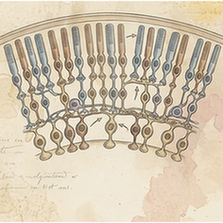
Rod cells
→
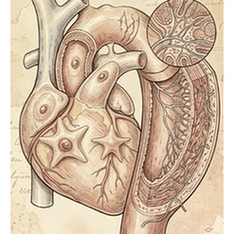
Satellite cells
→
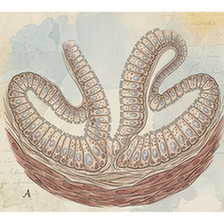
Seminal vesicle epithelial cells
→
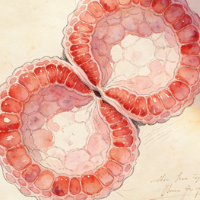
Serous cells
→
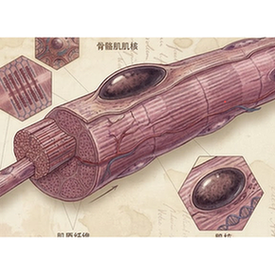
Skeletal myonuclei
→
Somatotropes
→
Squamous cells
→
Stereociliated cells
→
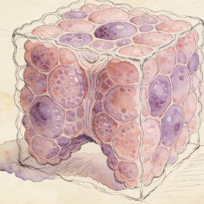
Supporting cells of vestibular epithelium
→
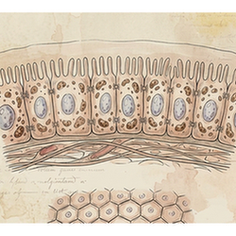
Surface epithelial cells
→
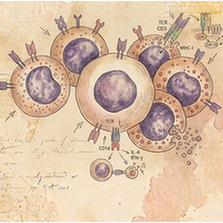
T_NKT cells
→
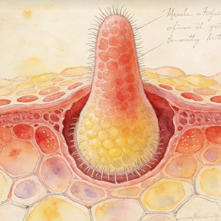
Taste cells
→
Tendon cells
→
Theca cells
→
Thyrotropes
→
Type I myonuclei
→
Type II myonuclei
→
Vestibular dark cells
→
Related Species in Invertebrates
Cell Type
Expression
Coords