 🐾
Species
🐾
Species
Species Overview
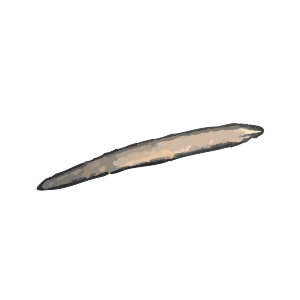
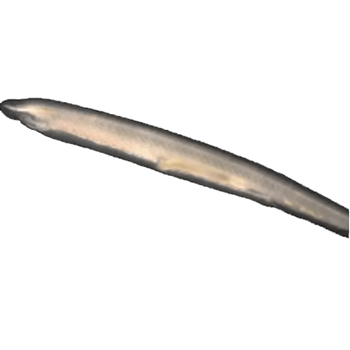
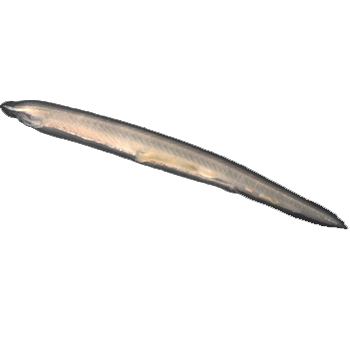
Branchiostoma floridae is a small, translucent, blade-shaped cephalochordate found in shallow sandy substrates along the southeastern coast of North America, particularly around Tampa Bay, Florida. Adults typically reach 5–6 cm in length and lack paired fins, jaws, and a true vertebral column. They possess a notochord that extends the full length of the body throughout life, making them a key model organism for studying the evolutionary origins of vertebrates. They are filter feeders, drawing water through the oral hood lined with cirri and trapping food particles in a mucous net secreted by the endostyle, a structure homologous to the vertebrate thyroid gland. Their pharynx contains numerous gill slits used primarily for feeding rather than respiration. The segmented musculature (myomeres) allows for burrowing into sand, where they spend most of their time with only the anterior end protruding. Reproduction is sexual, with external fertilization; gonads are visible as paired, repeated structures along the body wall. The genome of B. floridae was among the first invertebrate deuterostome genomes sequenced and has revealed that it retains a largely unduplicated genome compared to vertebrates, providing critical insight into whole-genome duplication events at the base of vertebrate evolution.
Integrated UMAP Atlas & Gene Explorer
Provisional atlas release
This provisional release contains 80,000 embryo cells from a single published dataset, annotated at germ-layer resolution. Cell-type labels follow the source publication and have not yet been standardized to the LACA cell-type vocabulary. Gene-expression search is unavailable for this release.
80,000 cells · Embryo · provisional annotations Loading UMAP for Florida lancelet…
Cell Distribution — WebGL
Cells: 0Types: 0Zoom: 1.0x
→ UMAP_1
↑ UMAP_2
Loading...
Cell Types
Loading cell types...
—
Tissues
—
Systems
—
Samples
0
Total Cells
0
Cell Types
View by System
Biological System Atlas2Systems
View by Tissue
Tissue-Level Cell Distribution4Tissues
View by Cell Type
Cellular Composition Explorer91Cell Types
Adrenergic neurons
→
Adventitial cells
→
Amacrine cells
→
Bipolar cells
→
Cholangiocytes
→
Cone cells
→
Corticotropes
→
Cycling basal cells
→
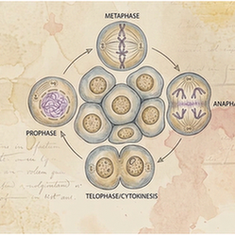
Cycling Cells
→
Cycling ciliated cells
→
Cycling epithelial cells
→
Cycling glandular cells
→
Cycling intermediate cells
→
Cycling luminal epithelial cells
→
Cycling stereociliated cells
→
Descending limb of loop of Henle cells
→
Effector chondrocytes
→
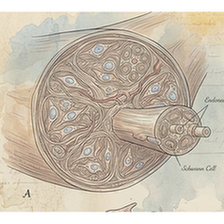
Endoneurial cells
→
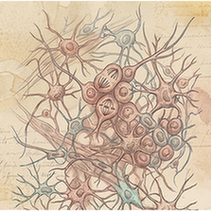
Enteric neuronal progenitor cells
→
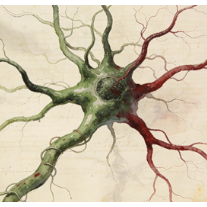
Enteric neurons
→
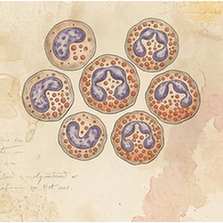
Eosinophils
→
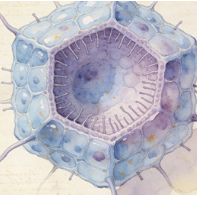
Ependymal cells
→
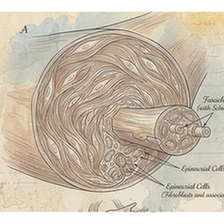
Epineurial cells
→
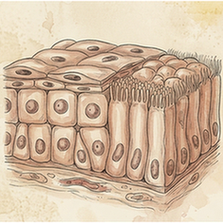
Epithelial cells
→
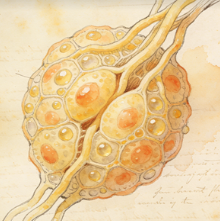
Fasciculata cells
→
Fibrocartilage chondrocytes
→
Follicular cells
→
Folliculostellate cells
→
Ganglion cells
→
Gastric epithelial cells
→
Glandular cells
→
Glial cells
→
Glomerulosa cells
→
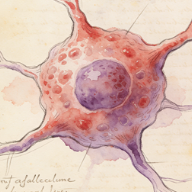
Gonadotropes
→
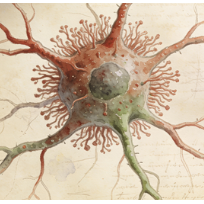
Granule cells
→
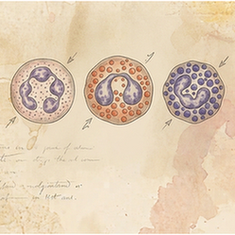
Granulocytes
→
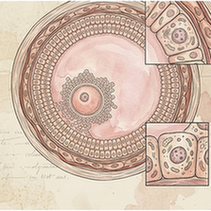
Granulosa cells
→
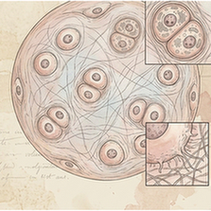
Homeostatic chondrocytes
→
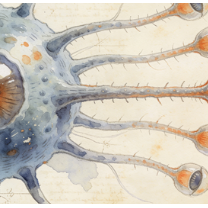
Horizontal cells
→
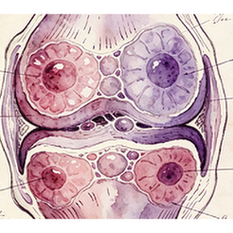
Hypertrophic chondrocytes
→
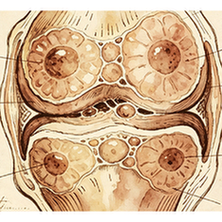
Inflammatory chondrocytes
→
Lactotropes
→
Luminal epithelial cells
→
Melanotropes
→
Mesenchymal cells
→
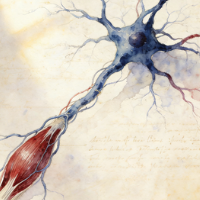
Motor neurons
→
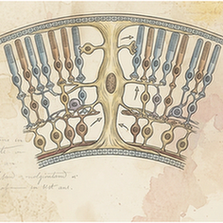
Muller cells
→
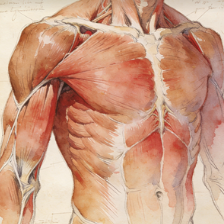
Myotendinous junctions
→
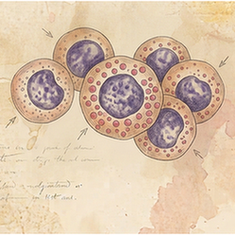
Natural killer cells
→
Natural killer T cells
→
Neural crest cells
→
Neural progenitor cells
→
Neuromuscular junctions
→
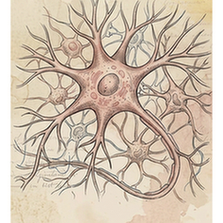
Neurons
→
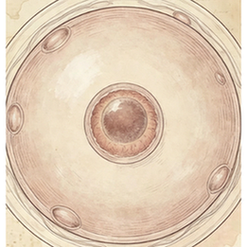
Oocytes
→
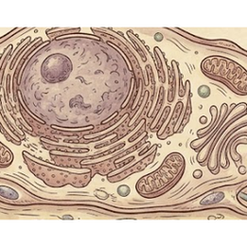
Osteoblasts
→
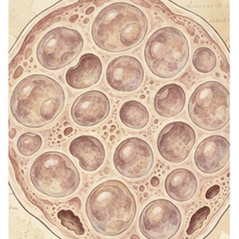
Osteoclasts
→
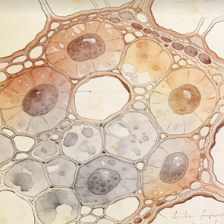
Other stromal cells
→
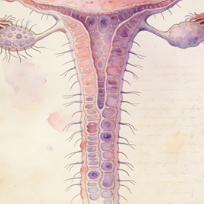
Oviduct epithelial cells
→
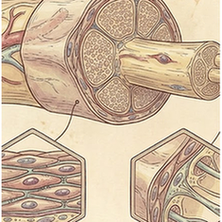
Perineurial cells
→
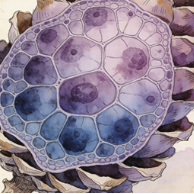
Pinealocytes
→
Pre-hypertrophic chondrocytes
→
Pre-inflammatory chondrocytes
→
Precursor fibrocartilage chondrocytes
→
Principal like cells
→
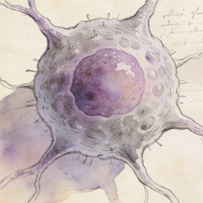
Progenitor-like epithelial cells
→
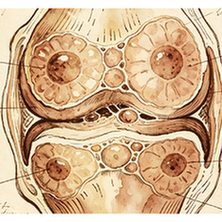
Proliferative chondrocytes
→
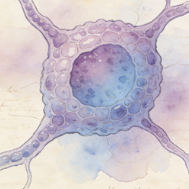
Prostate progenitor cells
→
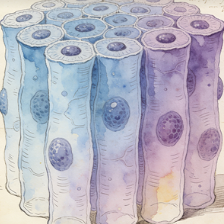
Pseudostratified columnar cells
→
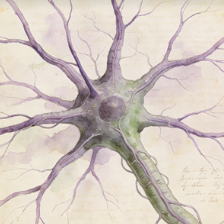
Radial glial cells
→
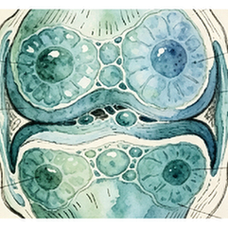
Regulatory chondrocytes
→
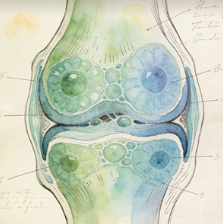
Reparative chondrocytes
→
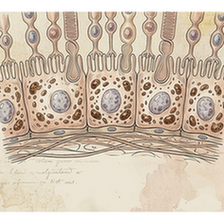
Retinal pigmentary epithelial cells
→
Rod cells
→
Satellite cells
→
Seminal vesicle epithelial cells
→
Serous cells
→
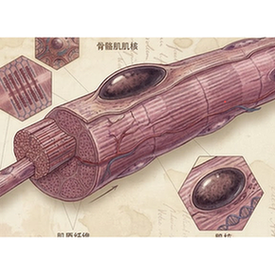
Skeletal myonuclei
→
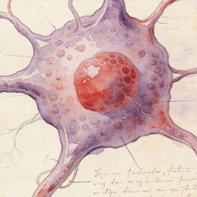
Somatotropes
→
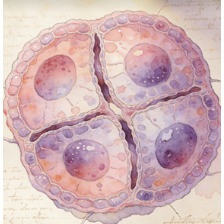
Squamous cells
→
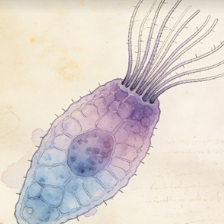
Stereociliated cells
→
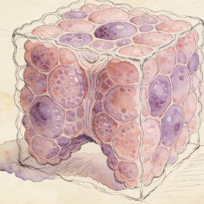
Supporting cells of vestibular epithelium
→
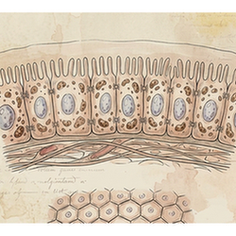
Surface epithelial cells
→
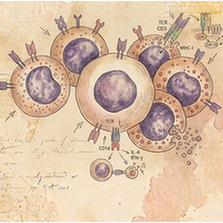
T_NKT cells
→
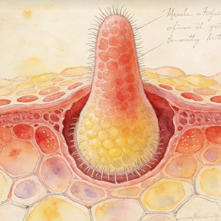
Taste cells
→
Tendon cells
→
Theca cells
→
Thyrotropes
→
Type I myonuclei
→
Type II myonuclei
→
Vestibular dark cells
→
Related Species in Invertebrates
Cell Type
Expression
Coords