 🐾
Species
🐾
Species
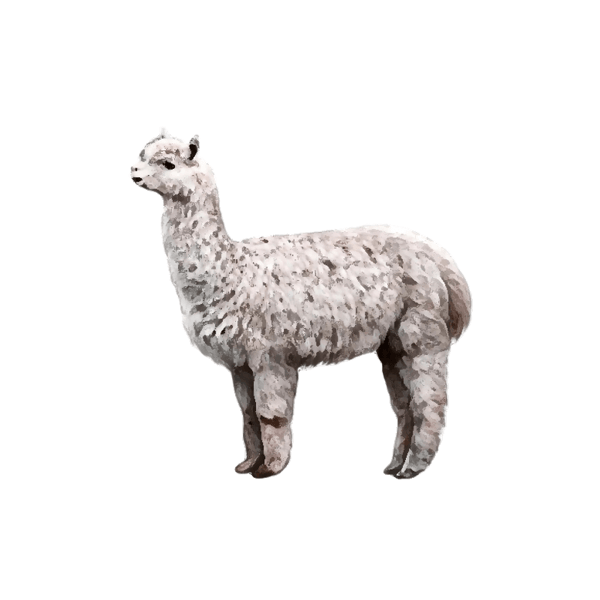
Alpaca
Vicugna pacos
Ungulates
Species Overview
A domesticated South American camelid (family Camelidae), derived from the wild vicu?a (Vicugna vicugna) approximately 6,000 years ago in the Andes. Adults weigh 55–90 kg and stand ~90 cm at the shoulder. They have a slender body, long neck, and are covered in dense, luxuriously soft fiber (fleece) that comes in 22+ natural colors—one of the finest natural fibers, prized for textiles. Two breeds exist: Huacaya (dense, crimped fleece) and Suri (long, silky, pencil-lock fleece). Alpacas are herbivorous, efficiently grazing on grasses and hay with a three-compartmented stomach. They are gentle, social herd animals that communicate through body posture, humming, and spitting (when annoyed). They are induced ovulators. Gestation is ~335–345 days, producing one cria (baby). Native to the high-altitude Andes (3,500–5,000 m) of Peru, Bolivia, and Chile, they have been exported worldwide. Peru has the largest population (~3.7 million). Camelids produce unique heavy-chain-only antibodies (nanobodies), of growing importance in biotechnology. Lifespan: 15–25 years. 2n=74.
Integrated UMAP Atlas & Gene Explorer
Loading longevity analysis…
Loading UMAP for Alpaca…
Cell Distribution — WebGL
Cells: 0Types: 0Zoom: 1.0x
→ UMAP_1
↑ UMAP_2
Loading...
Cell Types
Loading cell types...
—
Tissues
—
Systems
—
Samples
0
Total Cells
0
Cell Types
View by System
Biological System Atlas1Systems

View by Tissue
Tissue-Level Cell Distribution1Tissues

View by Cell Type
Cellular Composition Explorer7Cell Types





View Datasets
Species-Related Single-Cell Datasets1Datasets
📄 Overview
Related Species in Ungulates
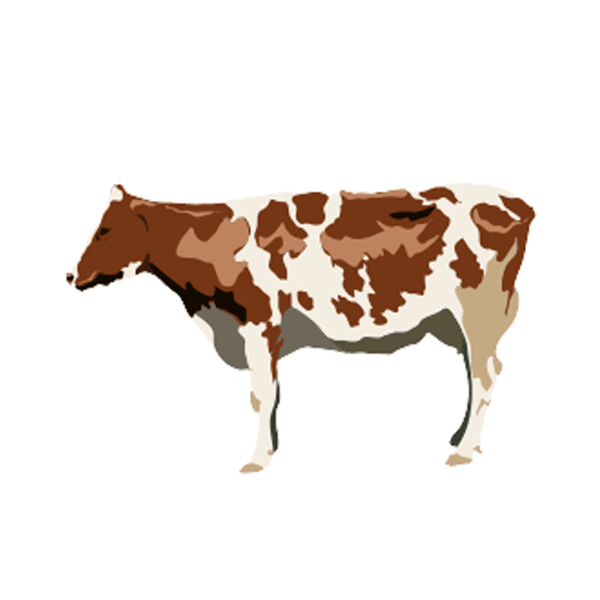
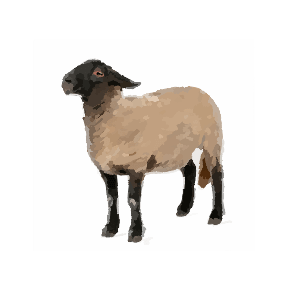
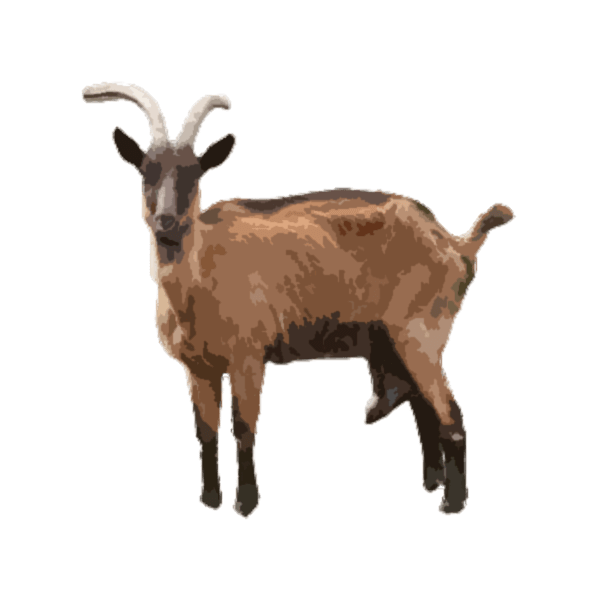
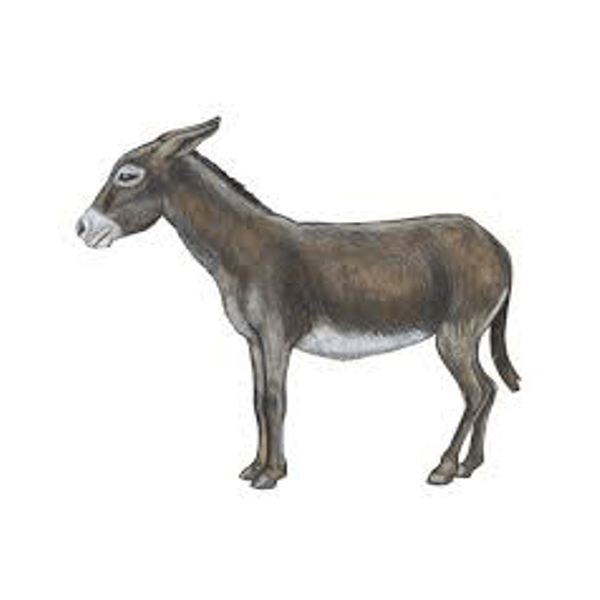
Cell Type
Expression
Coords