 🐾
Species
🐾
Species
Species Overview
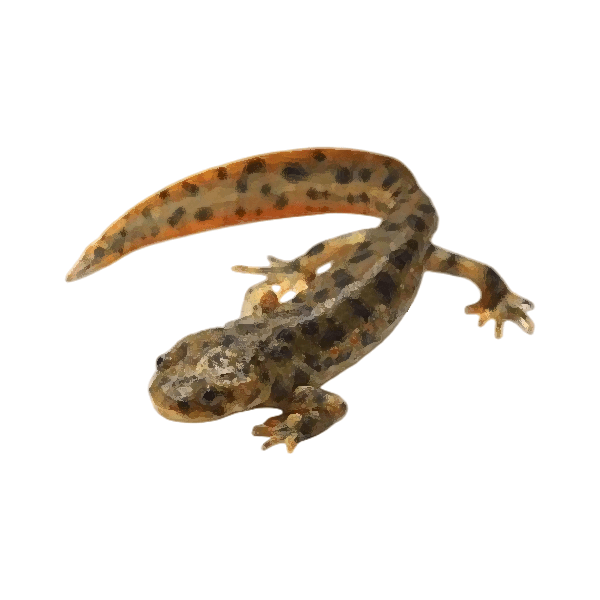
A large, robust newt (family Salamandridae) native to the Iberian Peninsula and Morocco. Adults reach 20–30 cm total length—the largest European newt. They have a flattened body, rough warty skin, gray-brown to olive coloration with darker spots, and a prominent vertebral ridge. Their most remarkable defense is the ability to push their sharp ribs through tubercles on the flanks, puncturing the skin and delivering secretions from poison glands—essentially using their own bones as defensive weapons. Despite this, the wounds heal rapidly. They are predominantly aquatic but can survive on land. Omnivorous: insects, worms, tadpoles, and aquatic invertebrates. They have been flown to space on multiple missions (Soviet Bion and French space experiments) due to their ease of maintenance and robustness, studying embryonic development in microgravity. They are an important model for limb regeneration (though less studied than axolotls) and toxicology. Females lay 200–800 eggs attached to aquatic vegetation. Lifespan: 8–12 years in captivity, up to 20. 2n=24. IUCN: Near Threatened due to habitat loss.
Integrated UMAP Atlas & Gene Explorer
Loading longevity analysis…
Loading UMAP for Iberian ribbed newt…
Cell Distribution — WebGL
Cells: 0Types: 0Zoom: 1.0x
→ UMAP_1
↑ UMAP_2
Loading...
Cell Types
Loading cell types...
—
Tissues
—
Systems
—
Samples
0
Total Cells
0
Cell Types
View by System
Biological System Atlas1Systems

View by Tissue
Tissue-Level Cell Distribution1Tissues
View by Cell Type
Cellular Composition Explorer7Cell Types
View Datasets
Species-Related Single-Cell Datasets1Datasets
📄 Overview
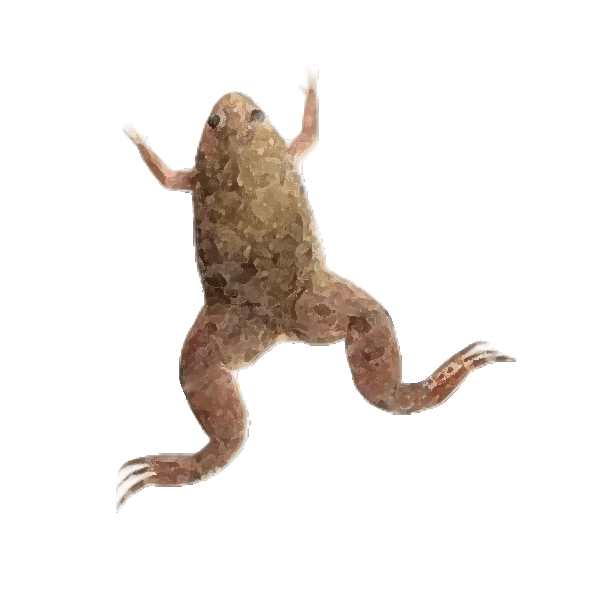
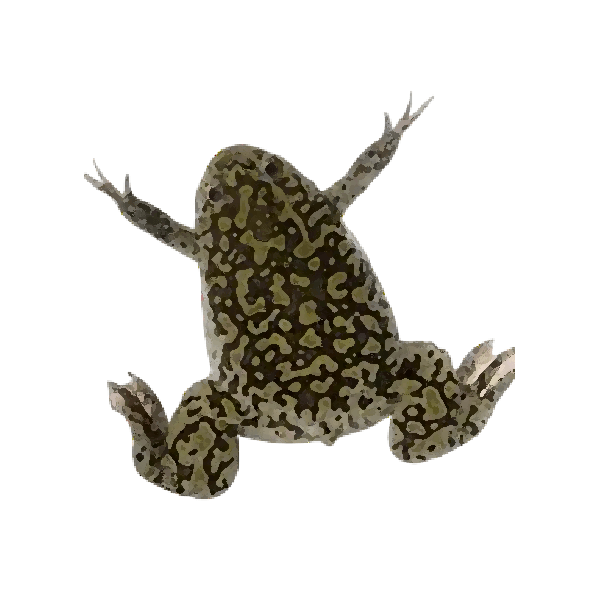
Related Species in Amphibians

Cell Type
Expression
Coords