 🐾
Species
🐾
Species
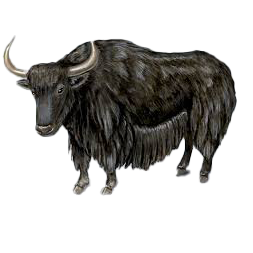
Yak
Bos grunniens
Ungulates
Species Overview
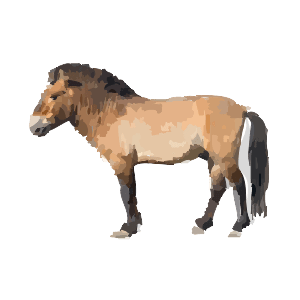
A large bovid (family Bovidae) domesticated from the wild yak (Bos mutus) approximately 5,000–7,000 years ago on the Tibetan Plateau. Domestic yaks weigh 300–600 kg (wild yaks can exceed 1,000 kg). They have a heavy build, humped shoulders, short legs, and are covered in long, dense, dark brown to black hair with a woolly undercoat, hanging like a "skirt" from the belly and flanks. They have large lungs, high red blood cell counts, and hemoglobin adapted for high-altitude oxygen transport—thriving at 3,000–5,500 m elevation. They are hardy grazers, eating grasses, sedges, and lichens. Yaks are indispensable to Tibetan pastoral cultures, providing milk (butter tea), meat, fiber, leather, dung (fuel), and pack transport. They can cross glacial passes and snowfields inaccessible to other livestock. Females have a gestation of ~258 days, usually one calf. They hybridize with cattle to produce "dzo" (F? hybrids of higher milk and meat production). Population: ~15 million domestic yaks, mainly in China. Lifespan: ~20 years. 2n=60.
Integrated UMAP Atlas & Gene Explorer
UMAP Atlas Not Available
The UMAP atlas data for Yak is not yet available.
View by System
Biological System Atlas2Systems
View by Tissue
Tissue-Level Cell Distribution4Tissues
View by Cell Type
Cellular Composition Explorer91Cell Types
Adrenergic neurons
→
Adventitial cells
→
Amacrine cells
→
Bipolar cells
→
Cholangiocytes
→
Cone cells
→
Corticotropes
→
Cycling basal cells
→
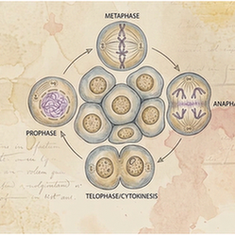
Cycling Cells
→
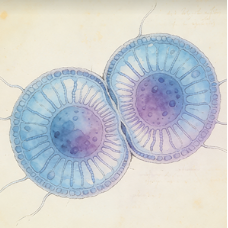
Cycling ciliated cells
→
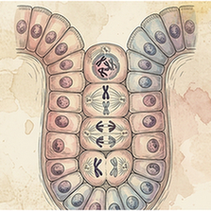
Cycling epithelial cells
→
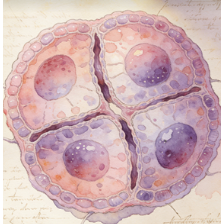
Cycling glandular cells
→
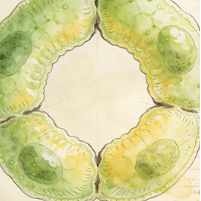
Cycling intermediate cells
→
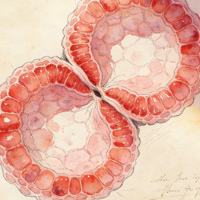
Cycling luminal epithelial cells
→
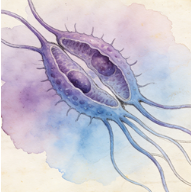
Cycling stereociliated cells
→
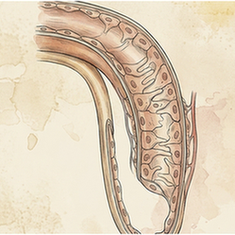
Descending limb of loop of Henle cells
→
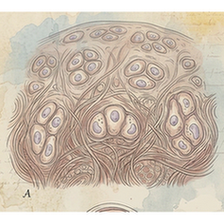
Effector chondrocytes
→
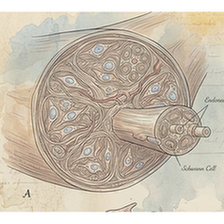
Endoneurial cells
→
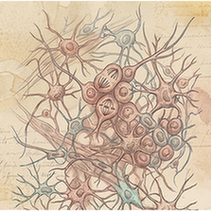
Enteric neuronal progenitor cells
→
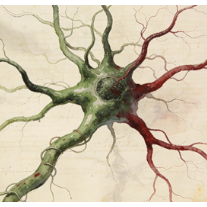
Enteric neurons
→
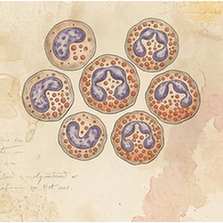
Eosinophils
→
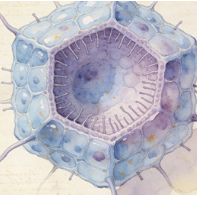
Ependymal cells
→
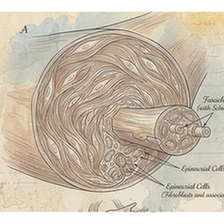
Epineurial cells
→
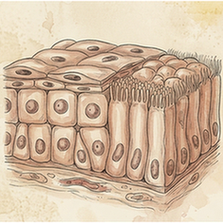
Epithelial cells
→
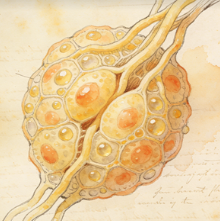
Fasciculata cells
→
Fibrocartilage chondrocytes
→
Follicular cells
→
Folliculostellate cells
→
Ganglion cells
→
Gastric epithelial cells
→
Glandular cells
→
Glial cells
→
Glomerulosa cells
→
Gonadotropes
→
Granule cells
→
Granulocytes
→
Granulosa cells
→
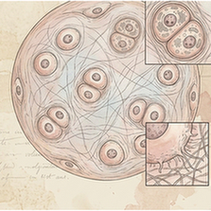
Homeostatic chondrocytes
→
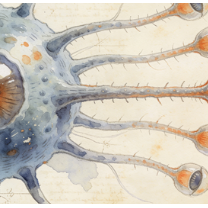
Horizontal cells
→
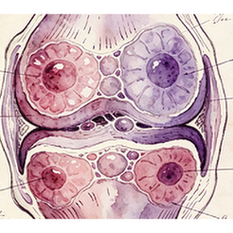
Hypertrophic chondrocytes
→
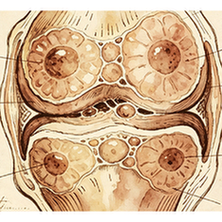
Inflammatory chondrocytes
→
Lactotropes
→
Luminal epithelial cells
→
Melanotropes
→
Mesenchymal cells
→
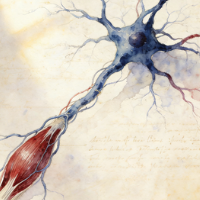
Motor neurons
→
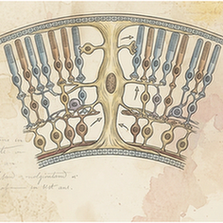
Muller cells
→
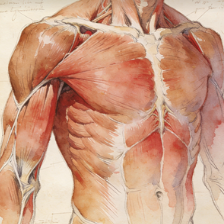
Myotendinous junctions
→
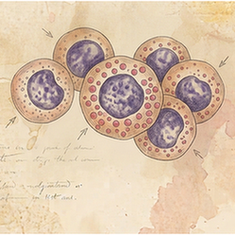
Natural killer cells
→
Natural killer T cells
→
Neural crest cells
→
Neural progenitor cells
→
Neuromuscular junctions
→
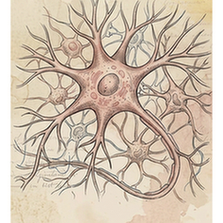
Neurons
→
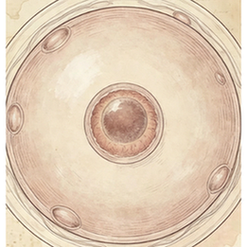
Oocytes
→
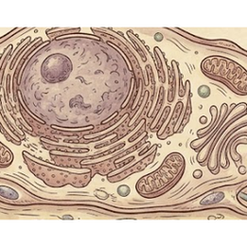
Osteoblasts
→
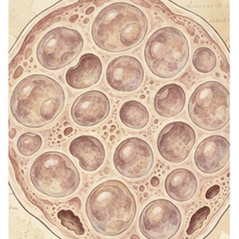
Osteoclasts
→
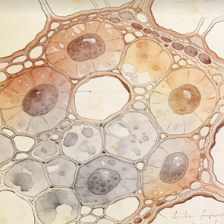
Other stromal cells
→
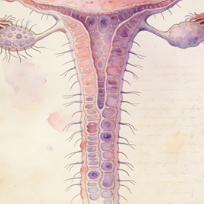
Oviduct epithelial cells
→
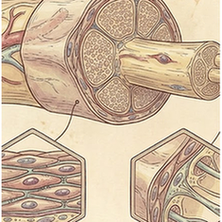
Perineurial cells
→
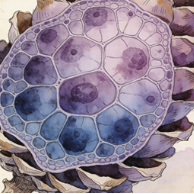
Pinealocytes
→
Pre-hypertrophic chondrocytes
→
Pre-inflammatory chondrocytes
→
Precursor fibrocartilage chondrocytes
→
Principal like cells
→
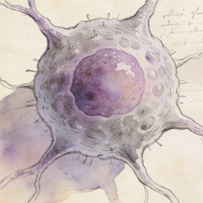
Progenitor-like epithelial cells
→
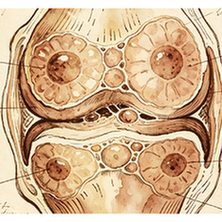
Proliferative chondrocytes
→
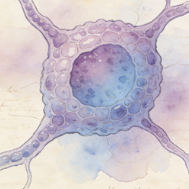
Prostate progenitor cells
→
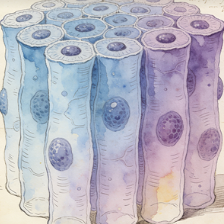
Pseudostratified columnar cells
→
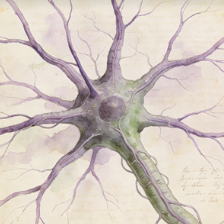
Radial glial cells
→
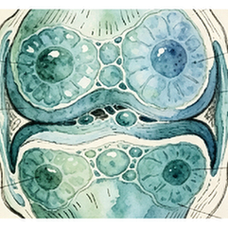
Regulatory chondrocytes
→
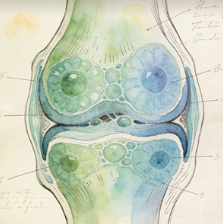
Reparative chondrocytes
→
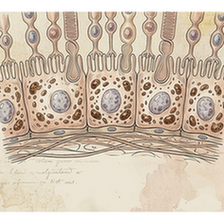
Retinal pigmentary epithelial cells
→
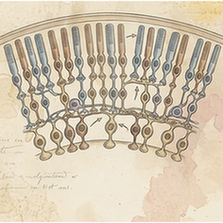
Rod cells
→
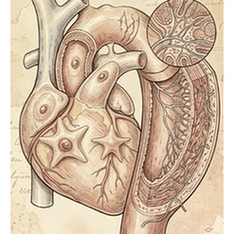
Satellite cells
→
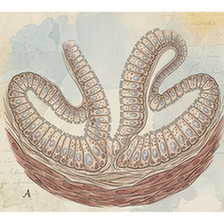
Seminal vesicle epithelial cells
→
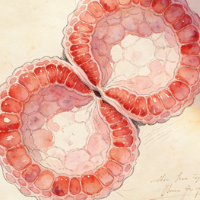
Serous cells
→
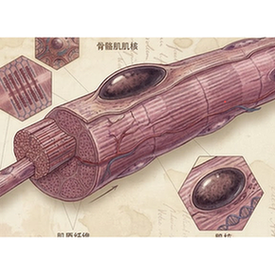
Skeletal myonuclei
→
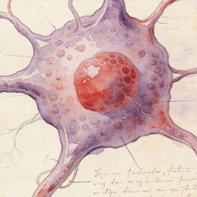
Somatotropes
→
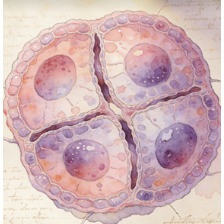
Squamous cells
→
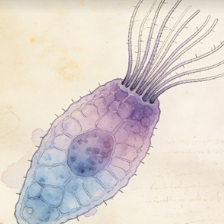
Stereociliated cells
→
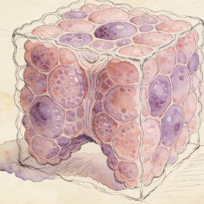
Supporting cells of vestibular epithelium
→
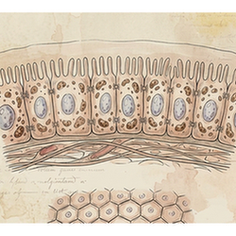
Surface epithelial cells
→
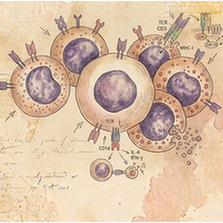
T_NKT cells
→
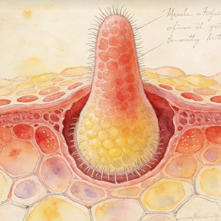
Taste cells
→
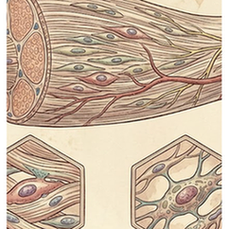
Tendon cells
→
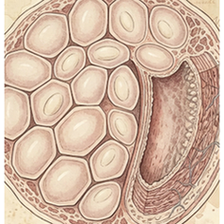
Theca cells
→
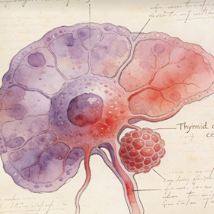
Thyrotropes
→
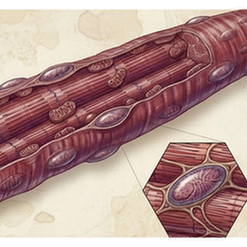
Type I myonuclei
→
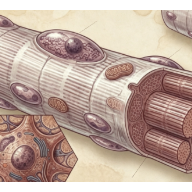
Type II myonuclei
→
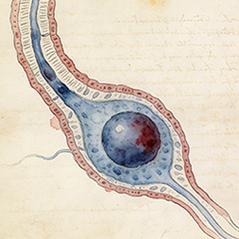
Vestibular dark cells
→
Related Species in Ungulates
Cell Type
Expression
Coords