 🐾
Species
🐾
Species
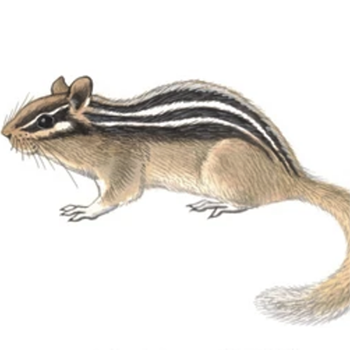
Siberian chipmunk
Tamias sibiricus
Rodents
Species Overview
The only chipmunk native to the Old World, ranging from Finland (introduced) across Russia to China, Korea, and Hokkaido, Japan. Adults weigh 50–150 g with a body length of 12–17 cm and a furry tail of 8–11 cm. They have the classic chipmunk pattern of five dark and four light dorsal stripes, with tawny flanks and a white underside. They inhabit coniferous, mixed, and deciduous forests. Diurnal and semi-arboreal, they forage for seeds, nuts, berries, mushrooms, and insects, storing food in cheek pouches for transport to underground caches. They enter winter dormancy (not deep hibernation), awakening periodically to feed from stored supplies. They are solitary outside the mating season. Females produce 1–2 litters of 3–8 young after ~30 days of gestation. Escaped pet populations in Western Europe (France, Netherlands, Belgium, Italy) are invasive, competing with native rodents and serving as tick reservoirs for Lyme disease (Borrelia). Lifespan: 6–10 years. IUCN: Least Concern.
Integrated UMAP Atlas & Gene Explorer
UMAP Atlas Not Available
The UMAP atlas data for Siberian chipmunk is not yet available.
View by System
Biological System Atlas2Systems
View by Tissue
Tissue-Level Cell Distribution4Tissues
View by Cell Type
Cellular Composition Explorer91Cell Types
Adrenergic neurons
→
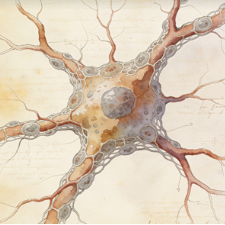
Adventitial cells
→
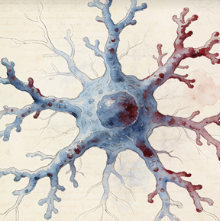
Amacrine cells
→
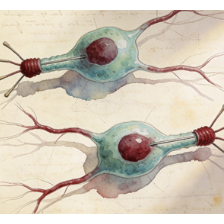
Bipolar cells
→
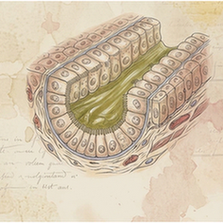
Cholangiocytes
→
Cone cells
→
Corticotropes
→
Cycling basal cells
→
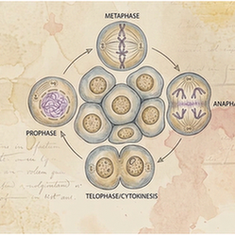
Cycling Cells
→
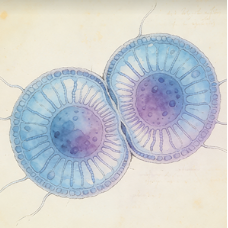
Cycling ciliated cells
→
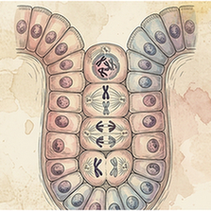
Cycling epithelial cells
→
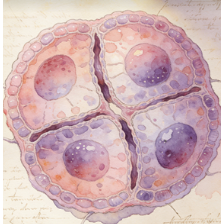
Cycling glandular cells
→
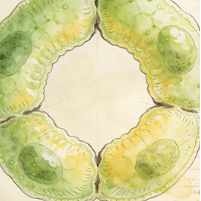
Cycling intermediate cells
→
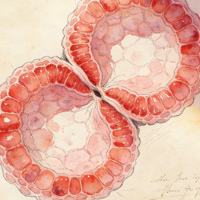
Cycling luminal epithelial cells
→
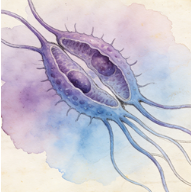
Cycling stereociliated cells
→
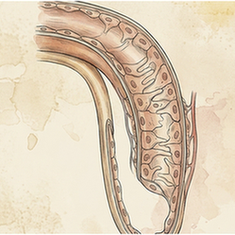
Descending limb of loop of Henle cells
→
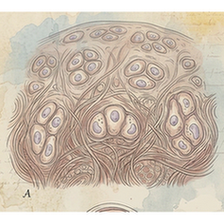
Effector chondrocytes
→
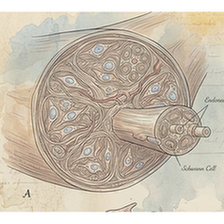
Endoneurial cells
→
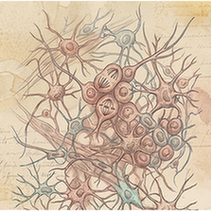
Enteric neuronal progenitor cells
→
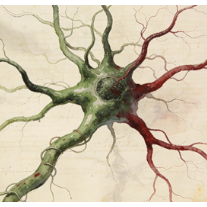
Enteric neurons
→
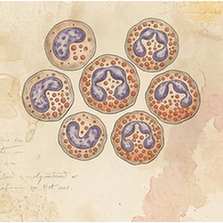
Eosinophils
→
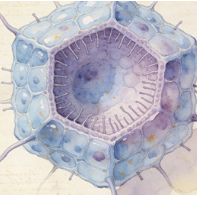
Ependymal cells
→
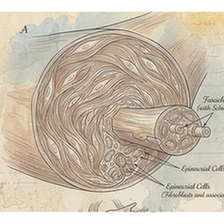
Epineurial cells
→
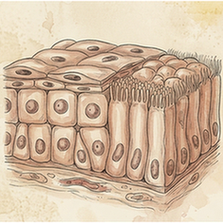
Epithelial cells
→
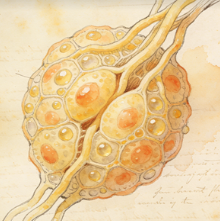
Fasciculata cells
→
Fibrocartilage chondrocytes
→
Follicular cells
→
Folliculostellate cells
→
Ganglion cells
→
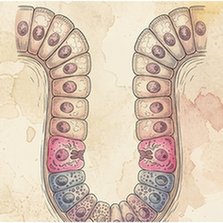
Gastric epithelial cells
→
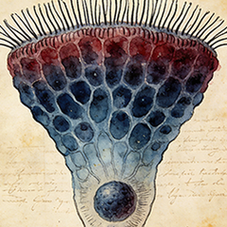
Glandular cells
→
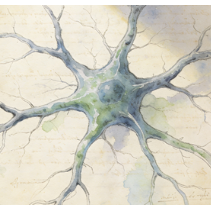
Glial cells
→
Glomerulosa cells
→
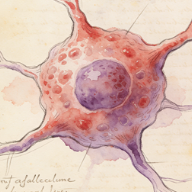
Gonadotropes
→
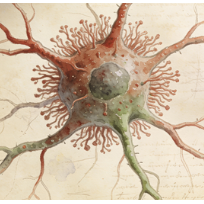
Granule cells
→
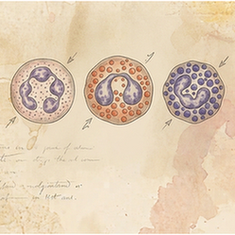
Granulocytes
→
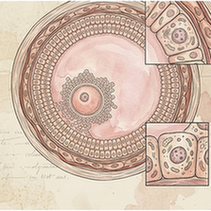
Granulosa cells
→
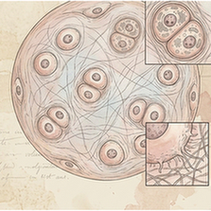
Homeostatic chondrocytes
→
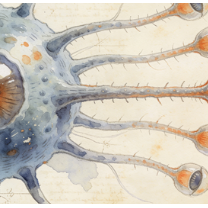
Horizontal cells
→
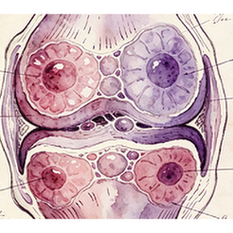
Hypertrophic chondrocytes
→
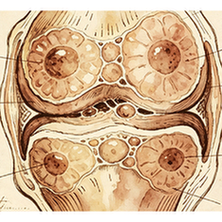
Inflammatory chondrocytes
→
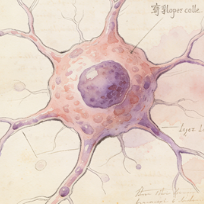
Lactotropes
→
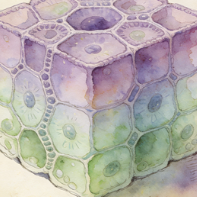
Luminal epithelial cells
→
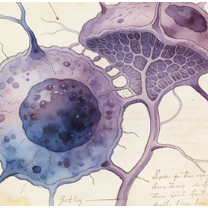
Melanotropes
→
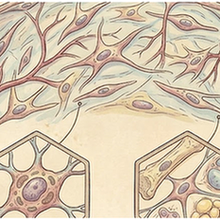
Mesenchymal cells
→
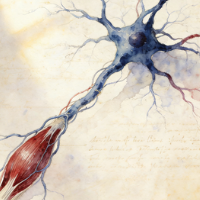
Motor neurons
→
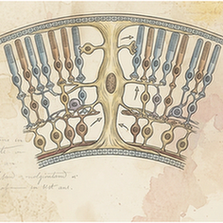
Muller cells
→
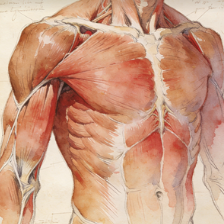
Myotendinous junctions
→
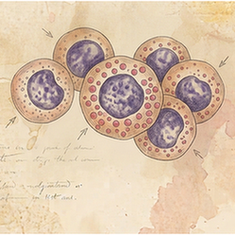
Natural killer cells
→
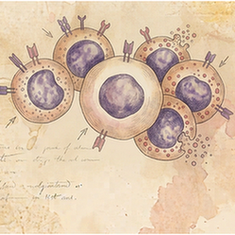
Natural killer T cells
→
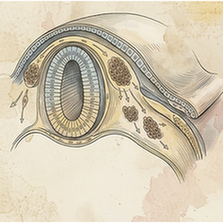
Neural crest cells
→
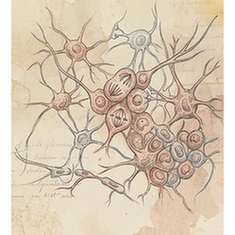
Neural progenitor cells
→
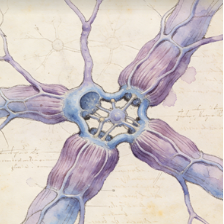
Neuromuscular junctions
→
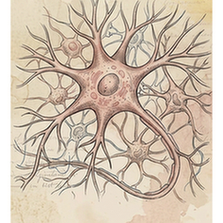
Neurons
→
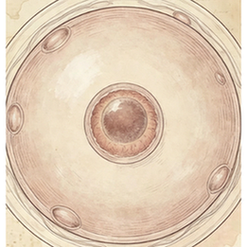
Oocytes
→
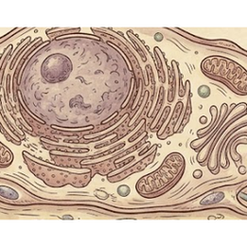
Osteoblasts
→
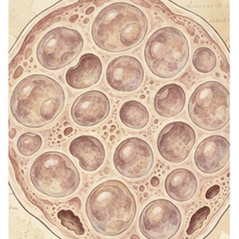
Osteoclasts
→
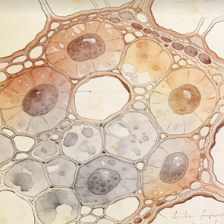
Other stromal cells
→
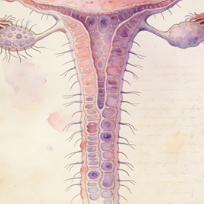
Oviduct epithelial cells
→
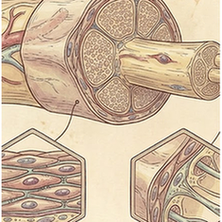
Perineurial cells
→
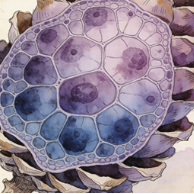
Pinealocytes
→
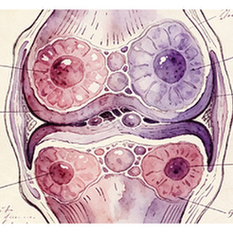
Pre-hypertrophic chondrocytes
→
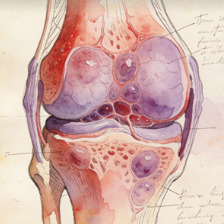
Pre-inflammatory chondrocytes
→
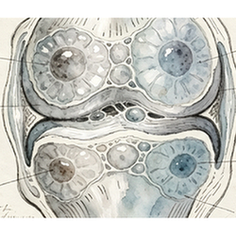
Precursor fibrocartilage chondrocytes
→
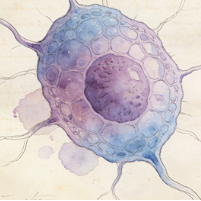
Principal like cells
→
Progenitor-like epithelial cells
→
Proliferative chondrocytes
→
Prostate progenitor cells
→
Pseudostratified columnar cells
→
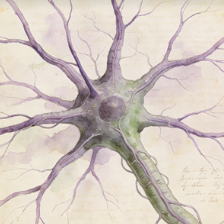
Radial glial cells
→
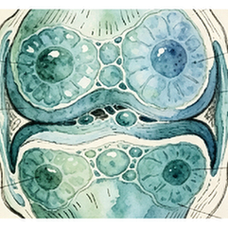
Regulatory chondrocytes
→
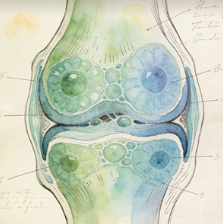
Reparative chondrocytes
→
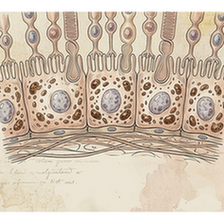
Retinal pigmentary epithelial cells
→
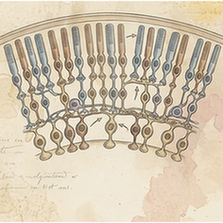
Rod cells
→
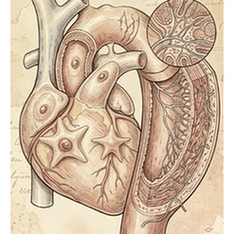
Satellite cells
→
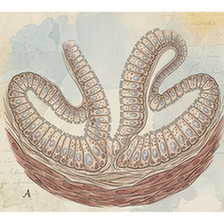
Seminal vesicle epithelial cells
→
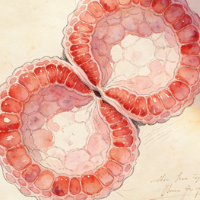
Serous cells
→
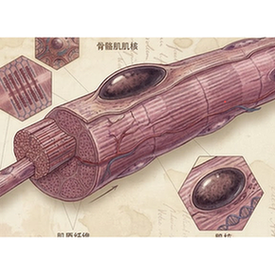
Skeletal myonuclei
→
Somatotropes
→
Squamous cells
→
Stereociliated cells
→
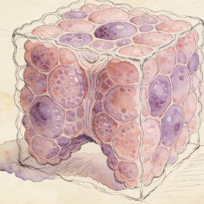
Supporting cells of vestibular epithelium
→
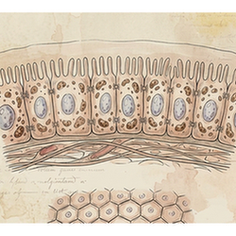
Surface epithelial cells
→
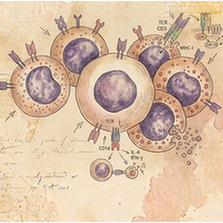
T_NKT cells
→
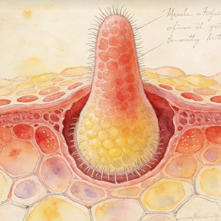
Taste cells
→
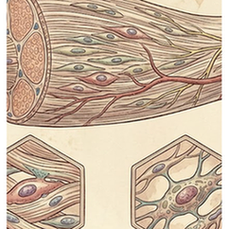
Tendon cells
→
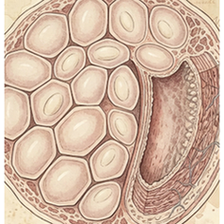
Theca cells
→
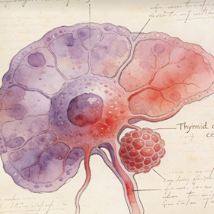
Thyrotropes
→
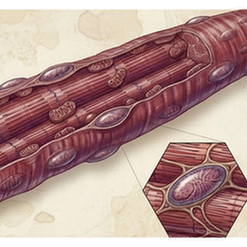
Type I myonuclei
→
Type II myonuclei
→
Vestibular dark cells
→
Related Species in Rodents
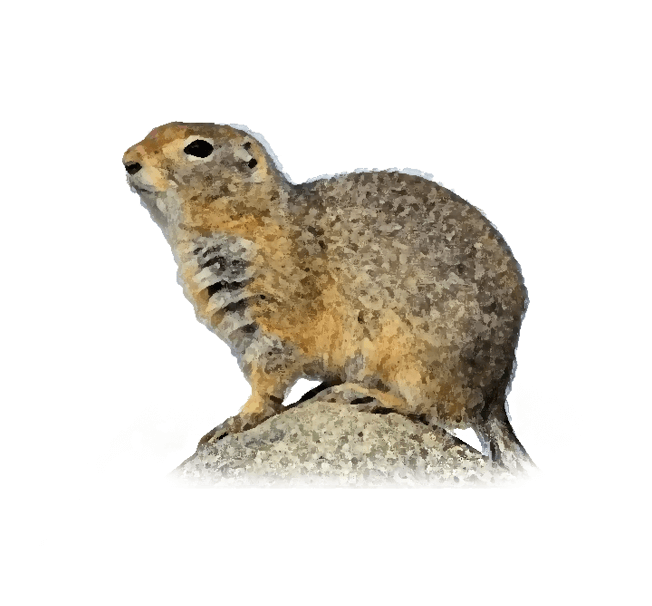
Arctic ground squirrel
Urocitellus parryii
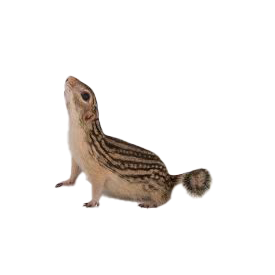
Thirteen-lined ground squirrel
Ictidomys tridecemlineatus
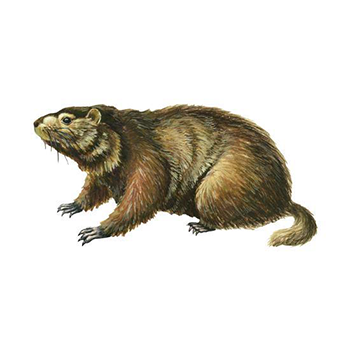
Groundhog
Marmota monax
House mouse
Mus musculus
Norway rat
Rattus norvegicus
Mongolian gerbil
Meriones unguiculatus
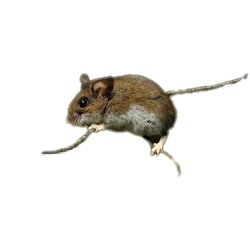
Baird's deer mouse
Peromyscus maniculatus
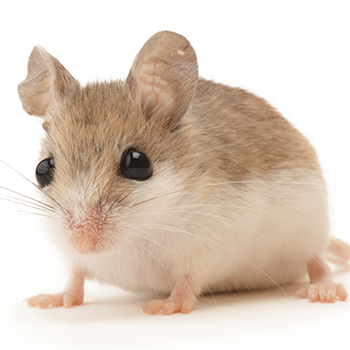
Oldfield mouse
Peromyscus polionotus
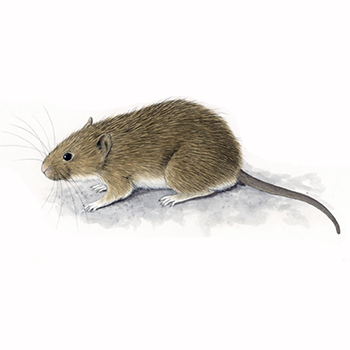
Hispid cotton rat
Sigmodon hispidus
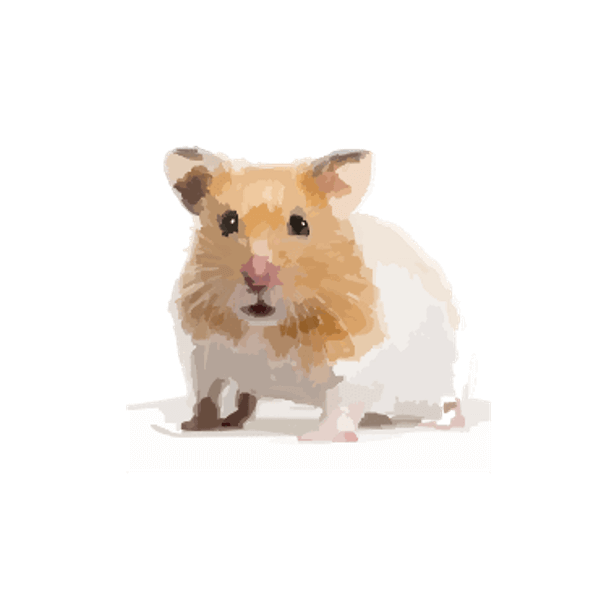
Golden hamster
Mesocricetus auratus
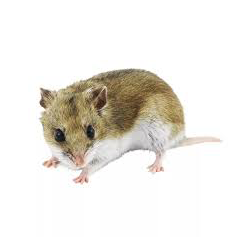
Chinese hamster
Cricetulus griseus
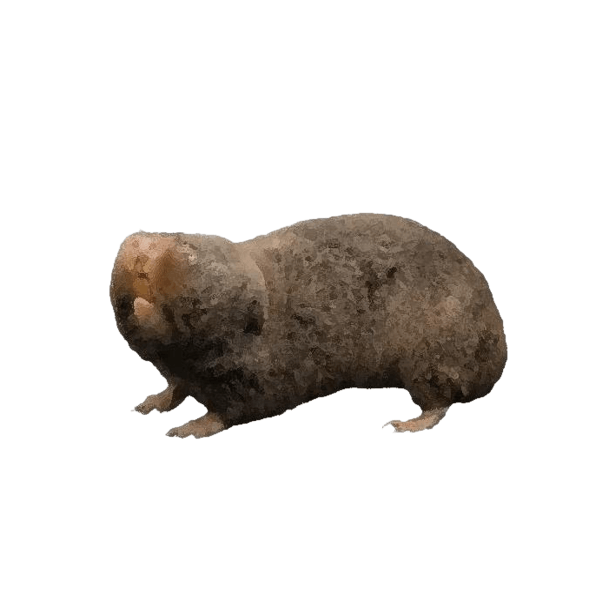
Galilee blind mole rat
Spalax galili
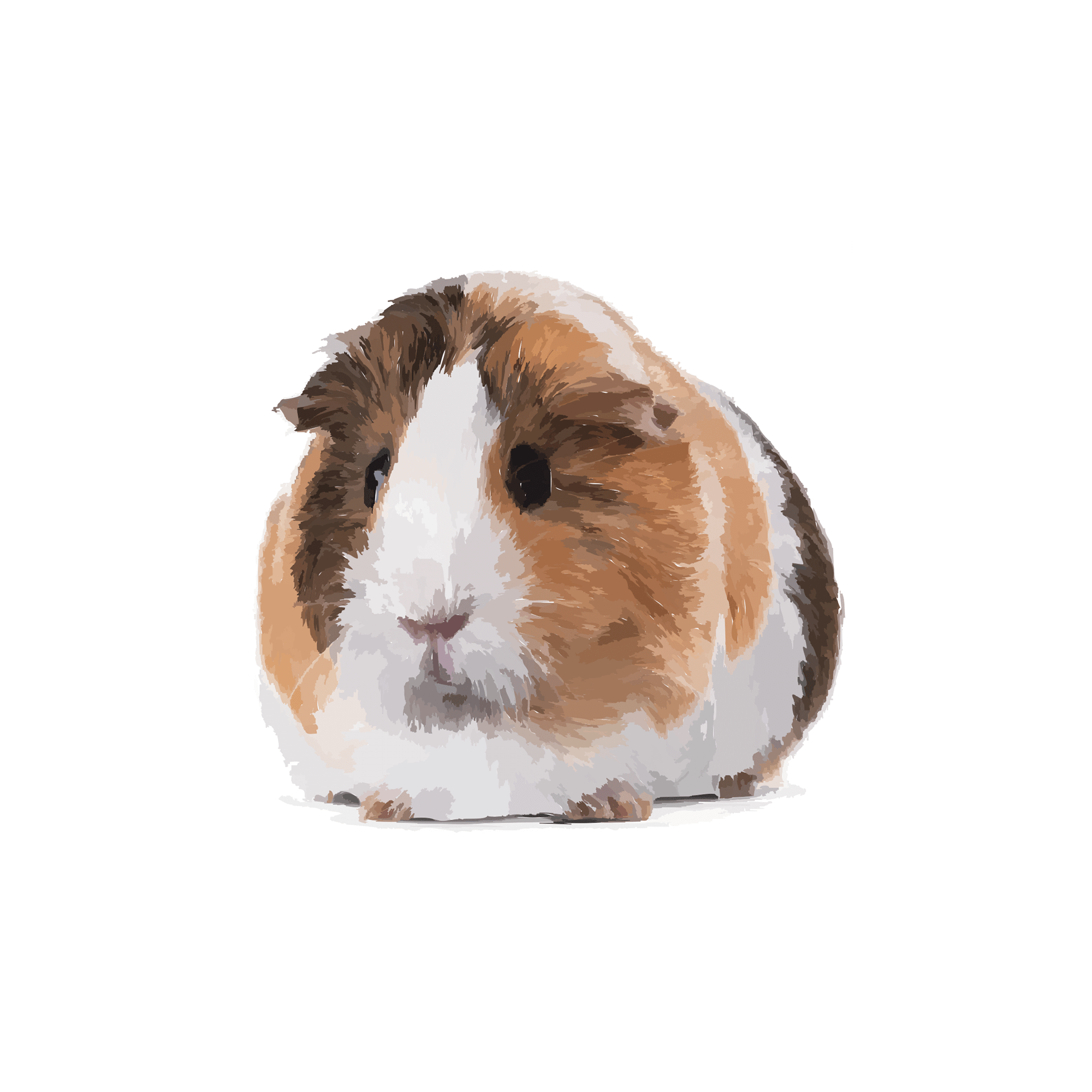
Guinea pig
Cavia porcellus
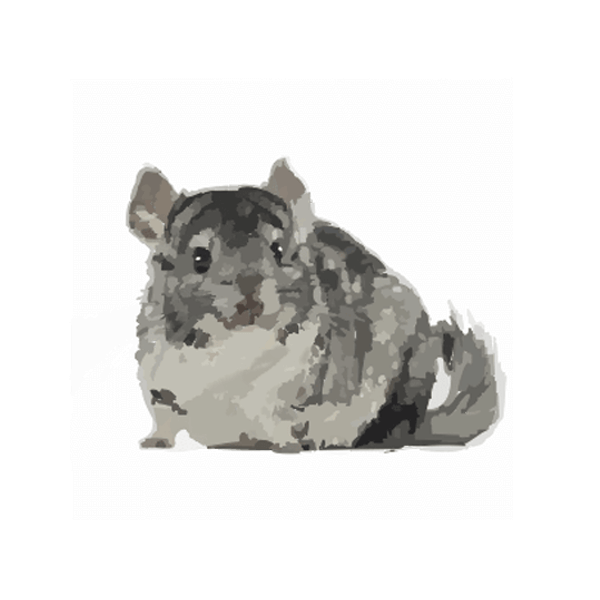
Long-tailed chinchilla
Chinchilla lanigera
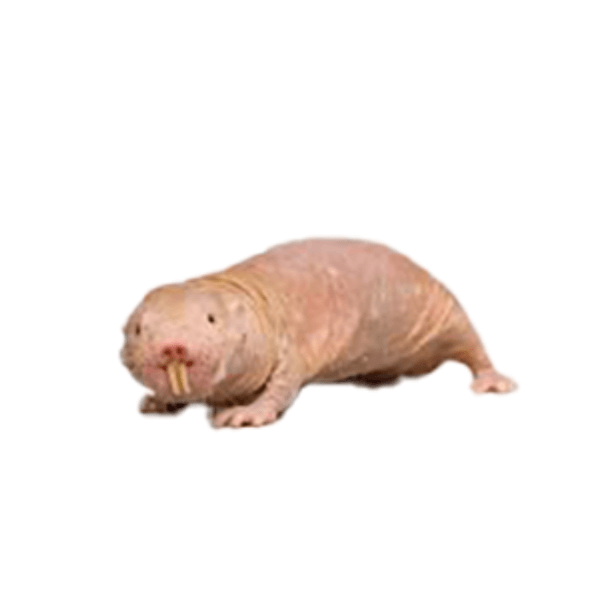
Naked mole rat
Heterocephalus glaber
Cell Type
Expression
Coords